
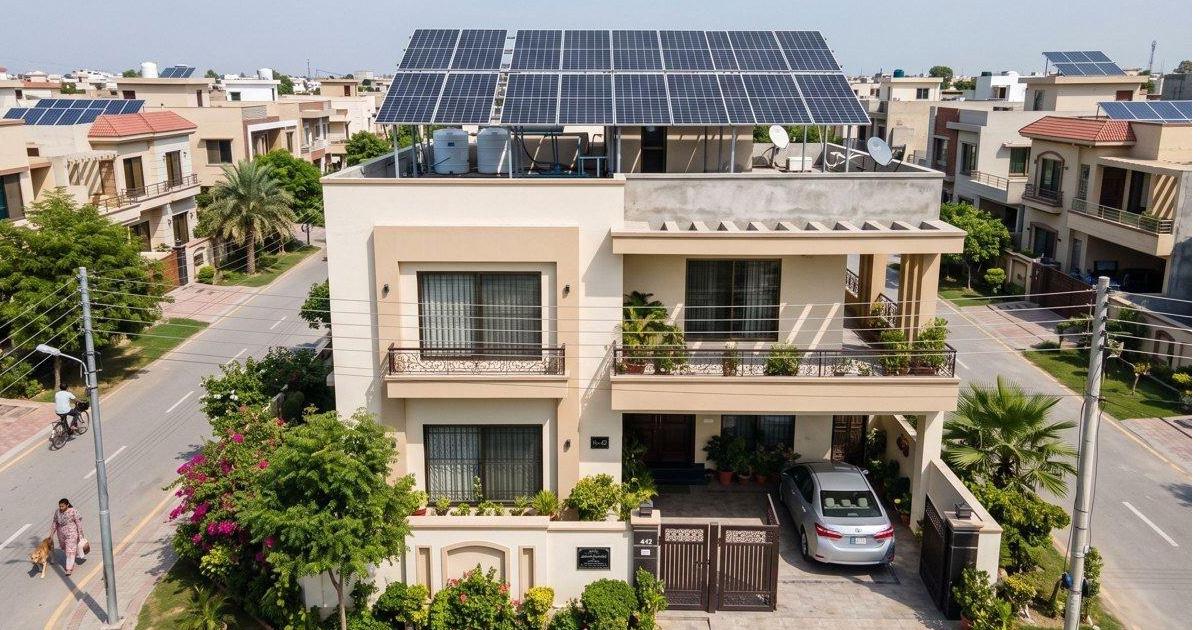
Solar Solutions in Pakistan – Complete Solar Energy Guide 2027

Explore solar solutions in Pakistan, including solar panels, hybrid systems, batteries, installation, benefits, and expert tips for choosing the right solar system.
Pakistan is blessed with abundant sunlight throughout the year, making solar energy one of the most promising solutions for the country's growing electricity needs. With increasing electricity costs, power outages, and rising demand for reliable energy, homeowners and businesses are increasingly considering solar power as an alternative to conventional electricity.
Solar solutions in Pakistan are becoming popular because they offer long-term electricity savings, greater energy independence, and a cleaner environment. Whether you want to install a small solar system for your home or a large commercial solar power plant, there are several options available to meet your energy requirements.
In this complete guide, we will explore different types of solar systems, their benefits, installation processes, important equipment, costs, and tips for choosing the right solar solution in Pakistan.
1. Why Is Solar Energy Becoming Popular in Pakistan?
Pakistan receives considerable sunlight throughout the year, creating excellent opportunities for solar power generation.
Several factors are encouraging people to switch to solar energy:
-
Increasing electricity bills and energy costs.
-
Frequent electricity load shedding in some areas.
-
Growing demand for uninterrupted power.
-
Availability of modern solar panels and inverters.
-
Long-term savings on electricity expenses.
-
Growing awareness of renewable energy.
-
Opportunities for residential and commercial solar installations.
Solar energy can help households reduce their dependence on the national electricity grid while providing businesses with a more reliable electricity supply.
2. Types of Solar Systems Available in Pakistan
Before installing solar panels, it is important to understand the three main types of solar power systems.
A. On-Grid Solar System
An on-grid solar system is connected directly to the electricity grid. It generates electricity during daylight hours and can reduce the amount of electricity you purchase from your utility provider.
Key features:
-
Connected to the national electricity grid.
-
Reduces electricity consumption from the grid.
-
Usually does not require battery storage.
-
Can export surplus electricity where permitted under applicable regulations.
-
Suitable for homes, offices, shops, and commercial buildings.
Best for: Consumers who have reliable grid electricity and want to reduce their monthly electricity bills.
B. Off-Grid Solar System
An off-grid solar system operates independently of the national electricity grid. It uses solar panels and batteries to generate and store electricity for later use.
Key features:
-
Independent of the national electricity grid.
-
Battery storage for nighttime electricity usage.
-
Suitable for areas with frequent load shedding.
-
Can provide electricity in remote locations.
-
Requires proper battery capacity planning.
Best for: Remote homes, farms, agricultural properties, and locations without reliable grid access.
C. Hybrid Solar System
A hybrid solar system combines solar panels, battery storage, and grid electricity. It offers flexibility because users can consume solar electricity, store excess energy, and use grid power when required.
Key features:
-
Combines solar panels and battery storage.
-
Can provide backup electricity during outages.
-
Supports grid connectivity.
-
Offers flexible energy management.
-
Helps reduce dependence on conventional electricity.
Best for: Homes and businesses that want electricity savings and backup power.
3. Benefits of Installing Solar Panels in Pakistan
Solar energy provides several financial, practical, and environmental benefits.
Reduce Monthly Electricity Bills
One of the biggest advantages of solar energy is reducing electricity expenses. Solar panels generate electricity from sunlight, allowing households and businesses to use their own generated power.
Depending on system capacity, electricity consumption, sunlight, and installation quality, solar energy can significantly reduce grid electricity usage.
Protection Against Rising Electricity Costs
Electricity tariffs can change over time. Generating your own electricity can help reduce exposure to future increases in grid electricity costs.
Backup Electricity During Load Shedding
Hybrid and off-grid solar systems can provide backup electricity when the national grid is unavailable, provided that the battery system is appropriately sized.
Environmentally Friendly Energy
Solar power generates electricity without directly producing greenhouse gas emissions during operation. Switching to solar energy helps reduce dependence on fossil fuels.
Long-Term Investment
Quality solar panels are designed to operate for many years. With proper installation and maintenance, a solar power system can provide long-term electricity generation.
4. Essential Components of a Solar Power System
A complete solar installation includes several important components.
1. Solar Panels
Solar panels convert sunlight into electrical energy. They are available in different technologies and power capacities.
2. Solar Inverter
The inverter converts the direct current (DC) generated by solar panels into alternating current (AC), which is used by most household and commercial electrical appliances.
3. Solar Batteries
Batteries store electricity for use at night or during power outages. Lithium batteries and lead-acid batteries are common options.
4. Mounting Structure
Mounting structures securely hold solar panels on rooftops or ground installations.
5. Protection Equipment
Circuit breakers, fuses, surge protection devices, isolators, and proper earthing help protect the solar installation.
6. Monitoring System
Solar monitoring systems allow users to check electricity generation, consumption, battery status, and system performance.
5. Solar Panel Prices and Installation Costs in Pakistan
The cost of solar solutions in Pakistan depends on several factors, including:
-
Solar panel brand and technology.
-
Total system capacity.
-
Inverter brand and specifications.
-
Battery type and storage capacity.
-
Installation and mounting structure.
-
Wiring and electrical protection.
-
Roof design and installation complexity.
Solar installation prices can change frequently due to exchange rates, import costs, market demand, and equipment availability.
The following table provides a general guide to system sizing, not a live price quotation.
|
Solar system |
Typical application |
|---|---|
|
3 kW |
Small homes and basic appliances |
|
5 kW |
Small to medium-sized homes |
|
8 kW |
Larger homes and higher consumption |
|
10 kW |
Large homes and small businesses |
|
15 kW |
Commercial applications |
|
20 kW+ |
Large commercial and industrial usage |
Important: Before purchasing a solar system, request a detailed quotation that includes panels, inverter, batteries (if required), installation, protection equipment, warranties, and applicable taxes.
6. Best Solar Panels for Homes and Businesses
Choosing quality solar panels is essential for achieving reliable electricity generation.
Some popular solar panel manufacturers available in international and Pakistani solar markets include:
-
LONGi.
-
JinkoSolar.
-
JA Solar.
-
Canadian Solar.
-
Trina Solar.
When comparing solar panels, consider:
-
Power output and efficiency.
-
Product and performance warranties.
-
Temperature performance.
-
Degradation rate.
-
Manufacturer reputation.
-
Authenticity and local warranty support.
Do not choose solar panels based only on their advertised wattage or lowest price. Quality, warranty, and after-sales support are equally important.
7. Solar Solutions for Residential Properties
Solar energy can be installed in houses, apartments, and other residential properties.
A residential solar system can support:
-
Fans and lighting.
-
Refrigerators and freezers.
-
Televisions and computers.
-
Washing machines.
-
Water pumps.
-
Air conditioners, depending on system capacity.
Before installation, calculate your daily electricity consumption and identify which appliances need backup during load shedding.
For example, a household that uses several air conditioners will need a different solar configuration from a household that primarily uses fans, lights, and basic appliances.
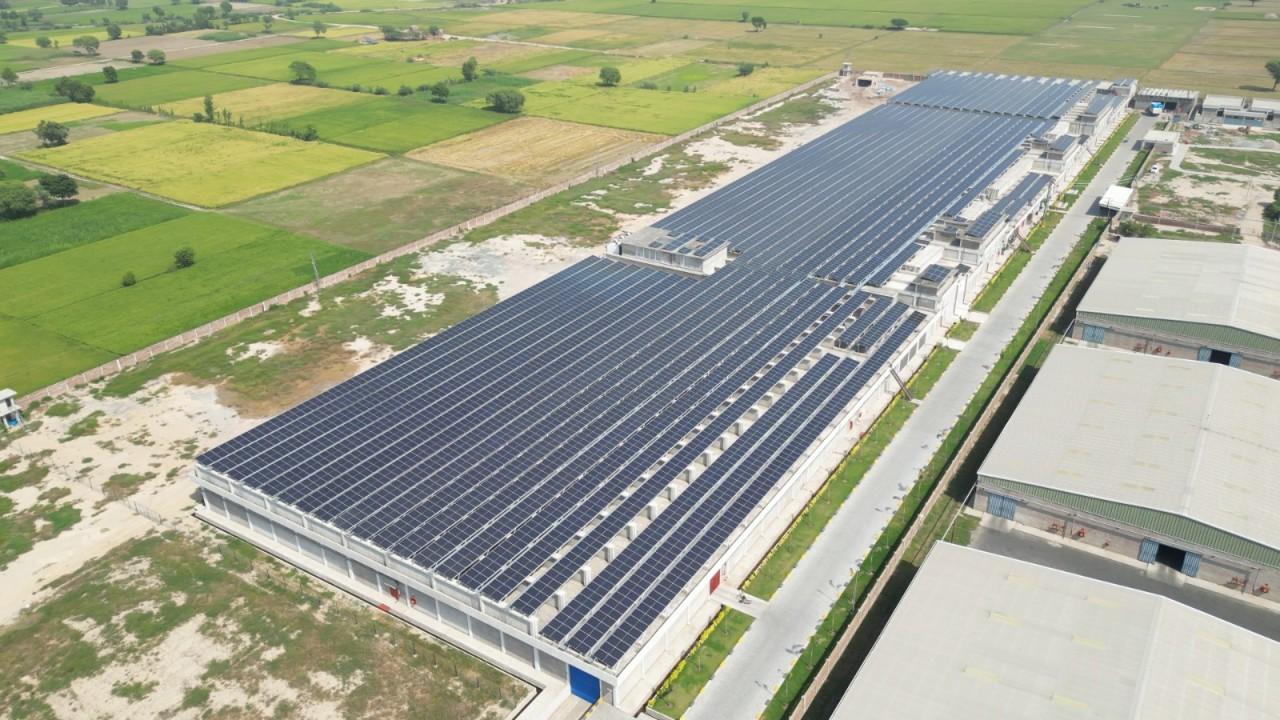
8. Commercial and Industrial Solar Solutions
Businesses and industries can also benefit from solar power.
Commercial solar installations can help reduce electricity expenses for:
-
Offices and corporate buildings.
-
Shopping malls and retail stores.
-
Factories and manufacturing facilities.
-
Schools and universities.
-
Hospitals and clinics.
-
Hotels and restaurants.
-
Warehouses and distribution centers.
Businesses with high daytime electricity consumption may benefit particularly from solar installations because electricity is generated during their operating hours.
A professional energy assessment can help determine the most suitable system size and expected savings.
9. Solar Installation Process in Pakistan
Installing a solar system requires proper planning, equipment selection, and professional installation.
Here is a step-by-step overview:
Step 1: Energy Consumption Assessment
Review your electricity bills to understand your monthly and daily electricity consumption.
Step 2: Select the System Capacity
Choose an appropriate solar system according to your electricity requirements, available rooftop space, and budget.
Step 3: Site Inspection
A professional installer should inspect your rooftop, check its structure, assess shading, and determine the best panel orientation.
Step 4: Equipment Selection
Select suitable solar panels, inverters, batteries, mounting structures, and electrical protection equipment.
Step 5: Solar Panel Installation
Install the mounting structures and solar panels securely, following appropriate electrical and structural safety standards.
Step 6: Inverter and Battery Installation
Connect the inverter, batteries (if required), and electrical protection equipment.
Step 7: Testing and Commissioning
Test the complete installation to ensure that the system operates correctly and safely.
Step 8: Utility Approval (Where Applicable)
If you intend to export surplus electricity to the grid, follow the applicable NEPRA regulations and your electricity distribution company's approval and interconnection process.
10. Net Metering and Net Billing in Pakistan (2027)
Net metering and net billing are important considerations when installing a grid-connected solar system.
Under the NEPRA Prosumer Regulations 2026, the regulatory framework changed for new distributed-generation customers.
The new framework introduced net billing, replacing the previous net-metering arrangement for new applications from February 9, 2026.
Here is a simple explanation:
-
Net Metering: Under the previous arrangement, eligible electricity exported to the grid could be adjusted against imported electricity according to the applicable agreement.
-
Net Billing: Electricity imported from the grid and electricity exported to the grid are accounted for separately, with exported electricity compensated according to the applicable purchase rate.
Existing consumers with valid agreements under the previous regulations retain their existing billing mechanism until their agreement expires, subject to applicable conditions and regulatory amendments. Material changes to an existing installation may affect this protection.
Before installing a grid-connected solar system, check the latest requirements with NEPRA and your distribution company, such as K-Electric, LESCO, IESCO, FESCO, or another relevant utility.
Important: Do not calculate your expected solar savings using old net-metering assumptions. The applicable export rate and approval requirements can significantly affect your financial calculations.
11. How to Choose the Best Solar Installation Company in Pakistan
Choosing the right solar installation company is just as important as selecting quality solar panels.
Consider these factors before hiring a solar provider:
-
Experience: Choose a company with proven experience in residential and commercial solar installations.
-
Quality Equipment: Verify the authenticity and specifications of all solar equipment.
-
Professional Installation: Ensure technicians follow proper electrical and installation standards.
-
Warranty: Ask about product warranties and workmanship guarantees.
-
After-Sales Support: Select a provider that offers maintenance and technical assistance.
-
Transparent Pricing: Request an itemized quotation without hidden charges.
-
System Monitoring: Make sure you can monitor your solar system's electricity production.
Always compare multiple quotations before making your final decision.
12. Solar System Maintenance Tips
Solar systems generally require relatively little maintenance, but regular inspections can help maintain their performance.
Follow these maintenance recommendations:
-
Clean solar panels regularly to remove dust and dirt.
-
Inspect cables and electrical connections.
-
Monitor daily electricity generation.
-
Check inverter performance and error notifications.
-
Inspect mounting structures for corrosion or damage.
-
Keep the inverter area clean and properly ventilated.
-
Follow the battery manufacturer's maintenance guidelines.
-
Schedule professional inspections when necessary.
In dusty areas of Pakistan, cleaning frequency may need to be higher depending on local environmental conditions.
13. Is Solar Energy Worth Investing in Pakistan?
Solar energy can be a worthwhile investment for Pakistani households and businesses, particularly those with high daytime electricity consumption.
However, the financial benefits depend on several factors:
-
Total installation cost.
-
Electricity consumption patterns.
-
Solar system generation capacity.
-
Battery requirements.
-
Grid electricity tariffs.
-
Applicable export compensation rates.
-
Maintenance and replacement expenses.
Before investing, request a professional solar feasibility report that estimates annual generation, self-consumption, grid imports, exports, operating costs, and expected payback period.
A properly designed system based on actual electricity consumption is generally a better investment than simply installing the largest possible system.
14. Future of Solar Energy in Pakistan
The future of solar energy in Pakistan looks promising as households, businesses, and industries continue exploring renewable energy solutions.
Several developments are supporting the growth of the solar industry:
-
Increasing adoption of rooftop solar systems.
-
Improvements in solar panel efficiency.
-
Advanced hybrid inverters.
-
Better lithium battery storage technology.
-
Smart energy monitoring solutions.
-
Commercial and industrial solar projects.
-
Growing interest in electric vehicles and solar-powered charging.
As solar technology continues to improve, more consumers are expected to consider renewable energy as part of their long-term electricity strategy.
Conclusion: Choose the Right Solar Solution in Pakistan
Solar energy is an increasingly attractive option for Pakistani homes, businesses, and industries. It offers an opportunity to reduce electricity expenses, improve energy independence, and contribute to a cleaner environment.
Whether you choose an on-grid, off-grid, or hybrid solar system, the most important factors are selecting quality equipment, calculating your actual electricity requirements, hiring experienced installers, and understanding the latest government regulations.
With proper planning and professional installation, solar solutions in Pakistan can provide reliable electricity generation and long-term value.
Thinking about switching to solar energy? Start by reviewing your electricity bills, comparing available solar systems, and consulting a qualified solar installation company to find the right solution for your property.
15. Frequently Asked Questions (FAQs)
Q1. Is solar energy a good investment in Pakistan?
Yes. Solar energy can be a good long-term investment, particularly for households and businesses with high electricity consumption. Actual savings depend on installation costs, energy usage, and applicable electricity tariffs.
Q2. Which solar system is best for homes in Pakistan?
A hybrid solar system is a popular option for homeowners who want electricity savings and battery backup. An on-grid system may be more suitable when backup power is not required.
Q3. How many solar panels are required for a 5kW system?
It depends on the wattage of individual panels. For example, a 5kW system would require approximately 9 panels rated at 580 watts each, subject to the final system design.
Q4. Can solar panels work during load shedding?
Hybrid and off-grid systems can provide electricity during load shedding when configured with suitable backup batteries. Standard grid-tied inverters generally shut down during grid outages for safety.
Q5. How long do solar panels last?
Quality solar panels can operate for 25 years or longer. Their electricity production gradually decreases over time, depending on the manufacturer and environmental conditions.
Q6. Do solar panels work during cloudy weather?
Yes. Solar panels can generate electricity during cloudy weather, although their production is generally lower than on sunny days.
Q7. Which solar panel brands are popular in Pakistan?
LONGi, JinkoSolar, JA Solar, Canadian Solar, and Trina Solar are among the internationally recognized manufacturers available in solar markets.
Q8. Is net metering still available in Pakistan in 2026?
The NEPRA Prosumer Regulations 2026 introduced net billing for new applications from February 9, 2026. Existing eligible agreements have transitional protections subject to applicable conditions.
Q9. Do solar systems require regular maintenance?
Yes. Regular panel cleaning, inverter monitoring, electrical inspections, and battery maintenance (where applicable) help maintain system performance.
Q10. Can I install solar panels for my business?
Yes. Solar installations are suitable for offices, factories, shops, schools, hospitals, hotels, and other commercial properties.


