Patrocinado
Dr. Rishi Sanghavi is a highly skilled Orthopaedic Surgeon practicing at Anand Surgical Hospital in Ahmedabad. His areas of expertise include joint replacement surgery (knee and hip), arthroscopy for joint problems, and the management of sports injuries. Dr. Sanghavi is committed to providing patient-centered care to improve mobility and alleviate pain.
-
3 Publicações
-
1 fotos
-
0 Vídeos
-
Reside em Ahmedabad
-
De Ahmedabad
-
Male
-
09/10/1992
-
Seguido por 0 pessoas
Atualizações Recentes
-
https://drrishisanghavi.com/how-long-does-orthopedic-surgery-recovery-take/
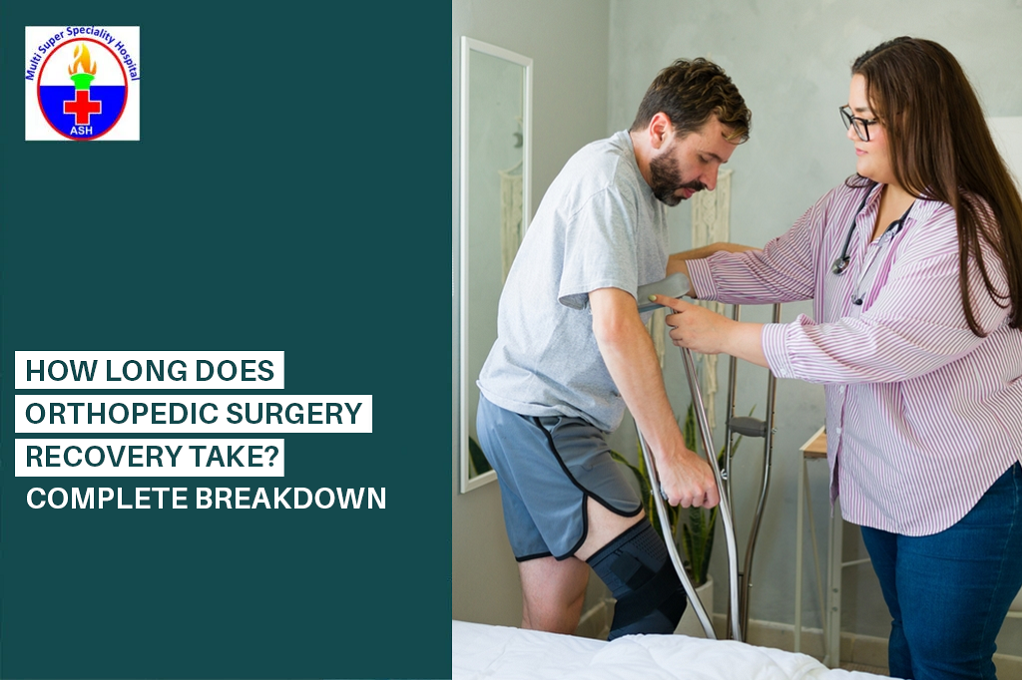
DRRISHISANGHAVI.COMHow Long Does Orthopedic Surgery Recovery Take? Complete Breakdown - Dr Rishi Sanghvi % %How Long Does Orthopedic Surgery Recovery Take? Complete Breakdown Orthopedic surgery can help reduce pain, improve movement, and restore quality of life. Many people choose orthopedic procedures when medication, therapy, or other treatments no longer work. However, one common question patients ask is: How long does orthopedic surgery recovery take? The answer depends on many factors, including the type of surgery, age, overall health, and how well you follow post-surgery care instructions. In this complete guide, we will break down recovery timelines for different orthopedic surgeries and explain what you can expect during the healing process. What Is Orthopedic Surgery? Focuses on Orthopedic surgery treating problems related to bones, joints, muscles, ligaments, and tendons. These surgeries help repair injuries, correct deformities, and replace damaged joints. Common types of orthopedic surgery include: Each surgery has a different recovery timeline. General Orthopedic Surgery Recovery Timeline Recovery does not happen overnight. It usually happens in stages. 1. Immediate Recovery (First Few Days) This stage begins right after surgery. You may stay in the hospital for observation, depending on the procedure. During this time: Rest is very important during this stage. 2. Early Recovery (First 2–6 Weeks) During early recovery: Most patients return to light daily activities during this stage, depending on the surgery type. 3. Full Recovery (3–12 Months) Complete recovery takes time. Some surgeries may take 3–6 months, while others may require up to one year for full strength and mobility. Physical therapy, regular follow-ups, and proper care are key to successful recovery. Recovery Time by Type of Orthopedic Surgery Now let’s understand how long recovery takes for common orthopedic procedures. Knee Replacement Surgery Recovery Knee replacement in Ahmedabad is one of the most common orthopedic surgeries. Typical Recovery Timeline: Some patients may take up to 12 months for complete strength and flexibility. Physical therapy is extremely important after knee replacement. Regular exercises improve joint movement and prevent stiffness. Hip Replacement Surgery Recovery Hip replacement surgery in Ahmedabad helps reduce pain caused by arthritis or injury. Recovery Timeline: Many patients feel significant pain relief within weeks. However, strength and balance take time to return. Shoulder Surgery Recovery Shoulder surgery may include rotator cuff repair or shoulder replacement. Recovery Timeline: Shoulder surgeries often require strict rest in the beginning. Overuse too early can delay healing. Spine Surgery Recovery Spine surgery in Ahmedabad recovery depends on the complexity of the procedure. Recovery Timeline: Some major spine surgeries may take up to one year for complete healing. Following posture guidelines and therapy exercises is very important. Fracture Repair Surgery Recovery If surgery is done to fix broken bones using plates or screws: Recovery Timeline: Age and bone health affect recovery speed. Arthroscopy Recovery Arthroscopy in Ahmedabad is a minimally invasive procedure used for joint problems. Recovery Timeline: Because the procedure uses small incisions, recovery is generally faster. Factors That Affect Orthopedic Surgery Recovery Time Recovery time varies from person to person. Several factors influence healing speed. Age Younger patients usually recover faster. Older adults may take more time due to slower tissue healing. Overall Health Patients with diabetes, heart problems, or obesity may experience slower recovery. Healthy individuals who exercise regularly often heal faster. Type of Surgery Minimally invasive procedures have shorter recovery times compared to major surgeries like joint replacements. Physical Therapy Physical therapy is one of the most important parts of recovery. Skipping exercises can delay healing and reduce mobility. Following Doctor’s Instructions Taking medications on time, attending follow-ups, and avoiding risky activities help speed up recovery. What to Expect During Orthopedic Recovery Recovery may involve some discomfort. This is normal. You may experience: Doctors provide pain management plans to keep you comfortable. Improvement happens gradually. Patience is important. Tips for Faster Orthopedic Surgery Recovery Although healing takes time, you can support your recovery with healthy habits. Stay active within limits. Follow your physical therapy routine carefully. Eat a balanced diet rich in protein and vitamins. Stay hydrated. Get enough sleep. Avoid smoking, as it slows healing. Mental health also matters. Stay positive and focused on progress. When Can You Return to Work? Return to work depends on the type of job. Signs of Healthy Recovery Good signs include: Progress may feel slow, but small improvements each week indicate healing. Warning Signs to Watch For Contact your doctor if you notice: Early medical attention prevents complications. Is Full Recovery Always Possible? Most orthopedic surgeries are highly successful. Many patients return to normal or improved lifestyles. However, full recovery depends on individual health and effort. Following rehabilitation programs increases chances of excellent results. Emotional Side of Recovery Recovery is not only physical. It can also be emotional. Final Thoughts Orthopedic surgery recovery takes time, but the results are often life-changing. Whether it is knee replacement, hip surgery, spine surgery, or arthroscopy, each procedure has its own healing timeline. Most patients start feeling better within weeks, but full recovery may take several months. The key to successful orthopedic surgery recovery is patience, proper medical care, and commitment to rehabilitation. If you are planning orthopedic surgery, recovery expectations consult an orthopedic doctor. Understanding the timeline helps you prepare mentally and physically. Healing is a gradual journey, but with the right care, you can return to a pain-free and active life.0 Comentários 0 Compartilhamentos 16 Visualizações 0 AnteriorFaça Login para curtir, compartilhar e comentar! -
https://drrishisanghavi.com/life-after-hip-replacement/
Life After Hip Replacement: Mobility & Precautions
https://drrishisanghavi.com/life-after-hip-replacement/ Life After Hip Replacement: Mobility & Precautions
DRRISHISANGHAVI.COMLife After Hip Replacement: Mobility & Precautions - Dr Rishi Sanghvi % %Life After Hip Replacement: Mobility & Precautions Surgery to replace hips can be life-changing to individuals who have endured years of pain, stiffness and reduced movement of the hip. In the modern world with improved surgery and rehabilitation, most patients are returning to a normal active and independent life following surgery. Nevertheless, the operation theater is not the end of the road to recovery. Long-term success is largely dependent on the ability to understand the expectation and precaution to be taken after hip replacement. As more and more patients have started to choose hip replacement surgery in Ahmedabad, the issue of patient education has become significant because patients need to know more about what they should do, what they should not do and how they should secure the new joint that is going to serve them in the coming years. What Happens After Hip Replacement Surgery? In the hip replacement surgery, the broken components of the hip joint are substituted with artificial parts that move freely and alleviate pain. The surrounding muscles, tendons, and soft tissues do not heal overnight, as the implant also offers structural support at that moment. The Healing Timeline The rate at which this recovery happens also depends on age, general health, fitness and adherence to the guidelines on recovery. Mobility After Hip Replacement: What to Expect Walking After Surgery Walking normally starts within a day or two of surgery with the help of a walker or crutches. This early movement assists in the prevention of stiffness and it enhances blood circulation. In a few weeks, the patients will use the walkers then canes and later walk without any aid. It is important to be in correct posture. Walking straight back, no limping and having the weight evenly distributed helps in protecting the new hip joint. Sitting, Standing, and Daily Movements Even such skills as sitting and standing need to be considered during the early recovery period: The patients are usually told to avoid low seating and sitting on the floor, at least in the first few months. Returning to Normal Activities Most patients can: The gradual and planned movements also allow an easier recovery. Essential Precautions After Hip Replacement Movements to Avoid In order to inhibit the dislocation or destruction of the implant: These are the precautions that should be taken particularly during the initial 6-12 weeks. Sleeping Positions The most secure position to sleep in is lying on the back, or lying on the side but with a pillow in-between the legs. This maintains the hip and minimizes the joint strain. Preventing Falls One of the largest postoperative risks is falls. The risk can be reduced to simple measures such as the use of non-slip mats, handrails in the bathroom, and supportive footwear. Role of Physiotherapy & Rehabilitation Physiotherapy is not a choice; it is a necessity. Why Physiotherapy Matters Rehabilitation helps: Those patients who adhere to the programs of physiotherapy always recover sooner and regain their confidence sooner. Common Exercises Rehab usually includes: Physiotherapy should not be neglected since it may result in stiffness, weakness, and delayed recovery. Lifestyle Changes for Long-Term Hip Health Weight Management Being overweight is a factor that puts more pressure on the hip joint and has the potential of decreasing the life of the implants. This is because a healthy weight maintained by diet and exercise helps to preserve the artificial joint. Connection Between Hip, Knee, and Spine Health There are hardly any cases of hip problems alone. Knee or lower back pain is also common in many patients who have undergone hip replacement. Knee Health Considerations Disturbed gait in the pre-operative period would tend to stress out the knees. That is why, during orthopedic consultations many of the patients also ask about the knee replacement cost in Ahmedabad. Hip position is also a problem that may be alleviated to help knee pain. Spine-Related Pain In other situations, the pain that may be believed to be due to the hip may in fact be due to the spine. More complex procedures such as the endoscopic spine surgery in Ahmedabad are now offered to patients with nerve compression or disc problems. Proper diagnosis means the appropriate method of treatment. FAQs What is the longevity of hip replacement? The implants used nowadays generally last 15-20 years or more, depending on the intensity of activity and weight. Is it possible to sit on the floor after having hips replaced? Floor sitting is not encouraged in most instances because of the likelihood of dislocation. What about post-operative travel? The safe period of short trips is typically 4-6 weeks. Travel is not expected to be long. Is hip replacement safe for elderly patients? Yes. Hip replacement is now deemed safe even in old patients as long as it is done using the modern procedures and proper medical analysis. Regaining Confidence, Step by Step Hip replacement life can be energetic, comfortable, and a good life, but only when patients know about mobility rules and respect all the required precautions. Starting with walking safely and completing physiotherapy to changing lifestyles, all the steps will help in the protection of the new joint. In case an individual in Ahmedabad is considering hip replacement surgery and wants the services of the best orthopedic surgeon in Ahmedabad, Dr. Rishi Sanghavi at Anand Surgical Hospital Pvt. Ltd. will offer the patient the best combination of surgical experience and expertise in joint replacement to help them regain painless mobility with successful and lasting results.0 Comentários 0 Compartilhamentos 159 Visualizações 0 Anterior
Mais Stories