Brain Cancer Symptoms: Early Warning Signs and Ayurvedic Ways | Jeena Sikho HiiMS Hospital - Koramangala,Bengaluru.
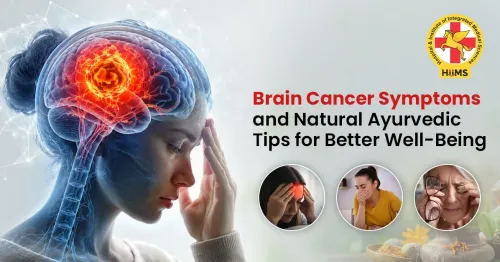
A change in health does not always start with something drastic. Sometimes it starts with a headache that persists, a stretch of poor focus, a strange sense of imbalance, or a body that no longer feels quite the same. These early changes can be easy to dismiss, especially when life is busy, but they matter. Understanding brain cancer symptoms helps people notice what is unusual before it becomes harder to ignore. This is where awareness makes a real difference, because the early signs of brain cancer are often combined up with stress, tiredness, or routine strain. In this blog and the next few sections, we will look at the main warning signs, what they may mean, and how Ayurveda fits into broader brain health and wellness in a practical, everyday way. What Is Brain Cancer? Brain cancer happens when certain cells in the brain begin growing out of control. Over time, they may form a growth that affects the nearby parts of the brain. Since the brain is responsible for speech, memory, movement, vision, and balance, changes in these functions can start to appear in everyday life. That is why symptoms of brain tumor should never be ignored or put aside when they keep appearing or slowly get worse. Common Brain Cancer Symptoms You Should Know Persistent Headaches That Feel Different From Usual A headache alone does not point to one specific condition, but a headache that returns often, feels heavier in the morning, or becomes more intense over time deserves attention. Many people first notice brain cancer symptoms in this quiet, confusing way, when the pain begins to feel unlike a normal headache. Changes in Vision and Eye Function Blurred vision, double vision, or trouble focusing can make reading, driving, or even walking across a room feel difficult. These changes may come and go at first, which is why people often ignore them. Still, they are among the more important early signs of brain cancer. Unexplained Nausea and Vomiting Nausea without a clear stomach issue can sometimes point to pressure changes inside the head. When it keeps repeating, especially along with headaches or dizziness, it should be checked by a doctor rather than managed casually at home. Seizures Without Any Previous History A sudden seizure can be frightening for both the person and the family. Even when it lasts only a short time, it should be taken seriously. New seizures are one of the clearest symptoms of brain tumor that call for health care. Problems With Balance and Coordination Feeling unsteady, stumbling while walking, or finding it harder to hold objects steady may show that the brain is not sending signals smoothly. These signs can look small at first, but they matter when they keep returning. Memory, Speech, and Concentration Changes Sometimes it starts with little things. You walk into a room and forget why you went there. A word you use all the time suddenly slips your mind during a conversation. Even simple tasks may take more effort than usual. These changes can be easy to get off, and often the people around you notice them before you do. Weakness or Numbness in Certain Body Parts A heavy feeling, tingling, or weakness on one side of the body should not be ignored. It may affect the arm, the leg, or the face, and it often makes ordinary movements feel less smooth than before. How Ayurveda Looks at Overall Brain Health Ayurveda sees health as a steady balance between food, sleep, digestion, emotions, and daily habits. It does not look only at one symptom. Instead, it asks how the whole system is functioning. That wider perspective is what makes brain health and wellness such an important part of daily care, not just a response after symptoms appear. Why Supporting the Body Early is Important When the body is kept in better balance early, daily strain may feel easier to handle. A calm routine, simple food choices, and proper rest can all help create a more stable base. This is one reason Ayurveda places so much value on prevention and timing. Ayurvedic Ways to Support Overall Health During Brain Care A Nourishing and Balanced Diet Fresh vegetables, seasonal fruits, lightly cooked meals, and enough fluids are basic but important. A simple diet can feel grounding, especially when the body is already under pressure. It may not solve everything, but it gives the system a cleaner place to work from. Daily Routine for Better Physical and Mental Wellness A steady routine often does more than people expect. Waking up around the same time, eating at regular hours, and keeping the day less chaotic can help the body adjust into a normal routine. In Ayurveda, this kind of order is part of brain health and wellness. Stress Management Through Yoga and Meditation Long periods of stress can make the mind feel crowded and the body feel tired. Gentle yoga, quiet breathing, and short meditation sessions can help create a little space in the day. They also fit naturally into a lifestyle that values balance. Importance of Rest and Sleep for Recovery Sleep is not just a pause from activity. It is the time when the body restores itself. A full night of rest supports clarity, mood, and energy, all of which are important when dealing with health changes. Herbal Support Under Professional Guidance Ayurveda often uses herbs such as Brahmi, Ashwagandha, Giloy, and Turmeric in carefully planned ways. These herbs should be chosen with proper guidance, since each persons condition and routine are different. Within a wider wellness plan, they may be part of a thoughtful approach to brain cancer symptoms and general vitality. Ayurvedic Therapies Offered at Jeena Sikho HiiMS Bengaluru Panchakarma For Detoxification And Rejuvenation Panchakarma is a traditional set of cleansing therapies designed to help the body return to balance. It is often adjusted to suit the persons condition and stage of care. Golden Therapy As Part Of Holistic Wellness Golden Therapy is used in some supportive wellness plans at Jeena Sikho HiiMS Bengaluru and is part of the hospitals broader Ayurvedic approach. Cancer Detox Juice In Supportive Care Programs Plant-based detox juice may be included in supportive routines that focus on nourishment, hydration, and day-to-day balance. Therapeutic Fasting And Lifestyle Discipline Mindful eating timings, clean food choices, and routine discipline can help the body feel less burdened. These habits work best when they are practical and easy to follow. Personalized Wellness Planning At Jeena Sikho Hiims Bengaluru Every person comes with a different history, different habits, and a different pace of healing. Personalized planning helps form care in a way that feels more realistic and more useful. Conclusion Brain cancer symptoms should never be ignored, especially when they persist, repeat, or develop enough to affect normal life. Headaches, vision changes, balance trouble, speech issues, and weakness can all be important signs that need medical attention. Ayurveda adds another layer by focusing on food, rest, calm routines, and overall balance. At Jeena Sikho HiiMS Bengaluru, this holistic approach is built around practical care and personal attention. If you are dealing with a health concern, you can also opt for a VOPD consultation with expert doctors at Jeena Sikho HiiMS for clear guidance and the next step forward. FAQs Q1: What are the earliest brain cancer symptoms? Early signs may include frequent headaches, vision changes, nausea, balance trouble, or difficulty focusing on routine tasks. Q2: Can headaches always indicate brain cancer? Headaches have many causes, but unusual, repeated, or worsening headaches should be checked by a doctor. Q3: When should I see a doctor for neurological symptoms? A doctor should be consulted when symptoms keep returning, grow stronger, or begin affecting normal daily life. Q4: How does Ayurveda support overall health during cancer care? Ayurveda focuses on diet, sleep, stress control, and steady routines that help the body stay more balanced. Q5: What holistic therapies are available at Jeena Sikho HiiMS Bengaluru? Supportive care may include Panchakarma, wellness-based diet planning, therapeutic routines, and personalized Ayurvedic guidance.


 English
 Arabic
 French
 Spanish
 Deutsch
 Turkish
 Dutch
Dutch
 Italiano
 Russian
 Romaian
 Portuguese (Brazil)
 Greek
Greek