
How AI Empowers HR Teams to Write More Inclusive Job Descriptions
Writing job descriptions may seem straightforward, but subtle language choices can unintentionally introduce bias and discourage qualified candidates from applying. Words that appear neutral—such as gender-coded terms, overly aggressive phrases, or complex jargon—can narrow the talent pool and negatively affect employer branding. This is where artificial intelligence plays a transformative role in modern HR practices.
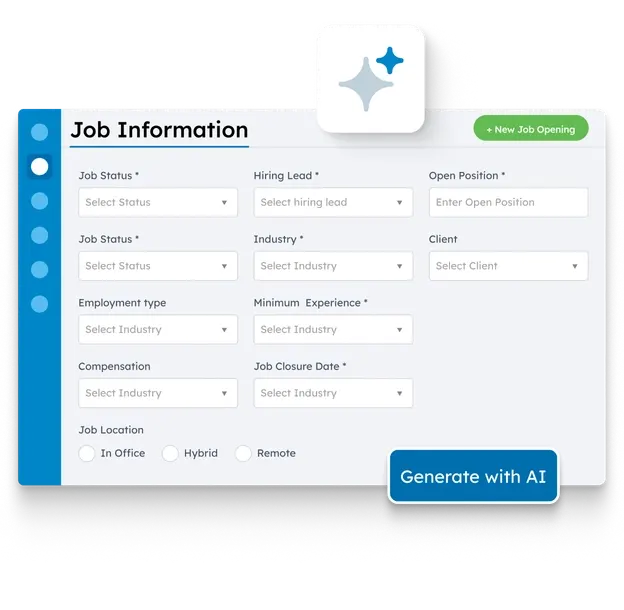
AI-powered job description tools help HR teams identify biased or exclusionary language, analyze tone and structure, and recommend inclusive alternatives. Rather than replacing recruiters, AI acts as a supportive guide, highlighting unconscious biases and encouraging clear, accessible, and balanced communication. By leveraging technologies like natural language processing, bias-detection models, and language scoring systems, organizations can ensure their job ads appeal to candidates from diverse backgrounds.
Inclusive job descriptions lead to tangible business benefits. They attract a broader range of applicants, improve candidate experience, strengthen employer brand perception, and increase the likelihood of building high-performing, diverse teams. Companies that adopt AI-driven inclusivity practices often see higher application rates, improved hiring quality, and stronger employee retention.
Ultimately, AI-enabled inclusive hiring is not just about fairness—it is a strategic advantage. By combining data-driven insights with human judgment and empathy, HR teams can create job descriptions that reflect company values, foster trust, and unlock the full potential of today’s diverse workforce.
https://www.datasciencesociety.net/how-ai-helps-hr-teams-get-more-inclusive-job-descriptions/
#InclusiveHiring #AIinHR #DiversityAndInclusion #BiasFreeHiring #HRTechnology #FutureOfWork
Writing job descriptions may seem straightforward, but subtle language choices can unintentionally introduce bias and discourage qualified candidates from applying. Words that appear neutral—such as gender-coded terms, overly aggressive phrases, or complex jargon—can narrow the talent pool and negatively affect employer branding. This is where artificial intelligence plays a transformative role in modern HR practices.
AI-powered job description tools help HR teams identify biased or exclusionary language, analyze tone and structure, and recommend inclusive alternatives. Rather than replacing recruiters, AI acts as a supportive guide, highlighting unconscious biases and encouraging clear, accessible, and balanced communication. By leveraging technologies like natural language processing, bias-detection models, and language scoring systems, organizations can ensure their job ads appeal to candidates from diverse backgrounds.
Inclusive job descriptions lead to tangible business benefits. They attract a broader range of applicants, improve candidate experience, strengthen employer brand perception, and increase the likelihood of building high-performing, diverse teams. Companies that adopt AI-driven inclusivity practices often see higher application rates, improved hiring quality, and stronger employee retention.
Ultimately, AI-enabled inclusive hiring is not just about fairness—it is a strategic advantage. By combining data-driven insights with human judgment and empathy, HR teams can create job descriptions that reflect company values, foster trust, and unlock the full potential of today’s diverse workforce.
https://www.datasciencesociety.net/how-ai-helps-hr-teams-get-more-inclusive-job-descriptions/
#InclusiveHiring #AIinHR #DiversityAndInclusion #BiasFreeHiring #HRTechnology #FutureOfWork
How AI Empowers HR Teams to Write More Inclusive Job Descriptions
Writing job descriptions may seem straightforward, but subtle language choices can unintentionally introduce bias and discourage qualified candidates from applying. Words that appear neutral—such as gender-coded terms, overly aggressive phrases, or complex jargon—can narrow the talent pool and negatively affect employer branding. This is where artificial intelligence plays a transformative role in modern HR practices.
AI-powered job description tools help HR teams identify biased or exclusionary language, analyze tone and structure, and recommend inclusive alternatives. Rather than replacing recruiters, AI acts as a supportive guide, highlighting unconscious biases and encouraging clear, accessible, and balanced communication. By leveraging technologies like natural language processing, bias-detection models, and language scoring systems, organizations can ensure their job ads appeal to candidates from diverse backgrounds.
Inclusive job descriptions lead to tangible business benefits. They attract a broader range of applicants, improve candidate experience, strengthen employer brand perception, and increase the likelihood of building high-performing, diverse teams. Companies that adopt AI-driven inclusivity practices often see higher application rates, improved hiring quality, and stronger employee retention.
Ultimately, AI-enabled inclusive hiring is not just about fairness—it is a strategic advantage. By combining data-driven insights with human judgment and empathy, HR teams can create job descriptions that reflect company values, foster trust, and unlock the full potential of today’s diverse workforce.
https://www.datasciencesociety.net/how-ai-helps-hr-teams-get-more-inclusive-job-descriptions/
#InclusiveHiring #AIinHR #DiversityAndInclusion #BiasFreeHiring #HRTechnology #FutureOfWork
0 Reacties
0 aandelen
1K Views
0 voorbeeld

 English
 Arabic
 French
 Spanish
 Portuguese
 Deutsch
 Turkish
 Italiano
 Russian
 Romaian
 Portuguese (Brazil)
 Greek
Greek