
You’re Not Alone: Why This Question Matters
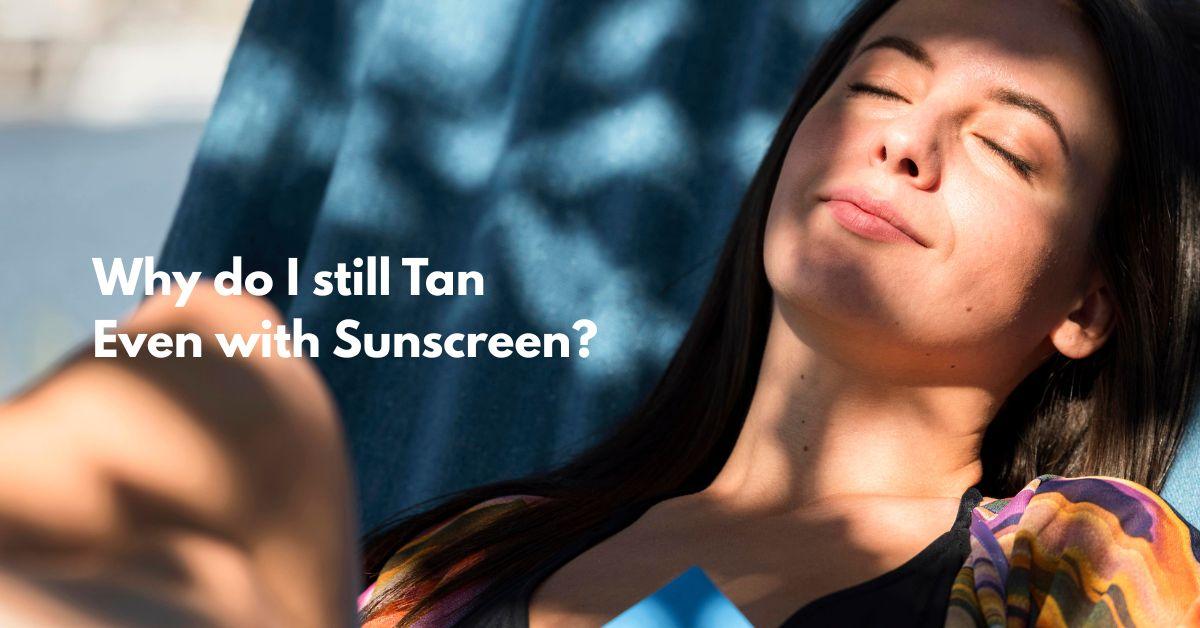
If you’ve ever wondered why you’re tanning even after using sunscreen, you’re not alone. Millions of people apply sunscreen daily yet still notice darkening, pigmentation, or uneven tone, leading to confusion, frustration, and mistrust toward sun protection products.
The truth is, sunscreen was never designed to completely block tanning. Its primary job is to reduce UV-induced skin damage, not stop your skin’s natural melanin response entirely. This misunderstanding causes people to misuse sunscreen, choose the wrong SPF, or abandon sun protection altogether… ironically increasing their risk of pigmentation, premature aging, and skin cancer.
Understanding how sunscreen works, the difference between UVA vs UVB rays, and the correct way to apply sunscreen can completely change your skin’s long-term health and appearance.
Does Sunscreen Actually Prevent Tanning?
Short answer: Not completely.
Sunscreen is formulated to protect your skin from harmful ultraviolet radiation, particularly the rays that cause DNA damage, sunburn, and skin cancer. However, it does not fully block all UV exposure, even at high SPF levels.
SPF measures how well sunscreen protects against UVB rays, which are mainly responsible for burning. But tanning is largely triggered by UVA rays, which penetrate deeper into the skin and stimulate melanin production, often without visible redness or pain.
This is why many people experience tanning even after sunscreen use. Sunscreen significantly lowers damage, but some UVA still reaches your skin, enough to trigger tanning and pigmentation.
Also Read: Can Sunscreen Cause Acne? How to Choose the Right SPF
The Real Reason You Still Tan Even With Sunscreen On
1. Sunscreen Reduces UV Damage: Not Melanin Production
Tanning is your skin’s natural defense mechanism. When exposed to UV radiation, your body increases melanin production to shield deeper layers of skin from damage.
Even with sunscreen on, a small amount of UV still penetrates, enough to activate this protective response. This means tanning even after sunscreen doesn’t mean your sunscreen failed… It means your skin is doing its job.
2. Most Sunscreens Protect Better Against UVB Than UVA
UVB causes sunburn.
UVA causes tanning, pigmentation, wrinkles, and long-term skin aging.
Many people unknowingly choose sunscreens that prioritize UVB protection but provide limited UVA defense. That’s why broad-spectrum sunscreen is essential, especially if your goal is to prevent tanning.
#skincare #korean beauty secret #glass skin
Read More>>>https://acelabs.co.in/blogs/news/why-you-still-tan-even-with-sunscreen
If you’ve ever wondered why you’re tanning even after using sunscreen, you’re not alone. Millions of people apply sunscreen daily yet still notice darkening, pigmentation, or uneven tone, leading to confusion, frustration, and mistrust toward sun protection products.
The truth is, sunscreen was never designed to completely block tanning. Its primary job is to reduce UV-induced skin damage, not stop your skin’s natural melanin response entirely. This misunderstanding causes people to misuse sunscreen, choose the wrong SPF, or abandon sun protection altogether… ironically increasing their risk of pigmentation, premature aging, and skin cancer.
Understanding how sunscreen works, the difference between UVA vs UVB rays, and the correct way to apply sunscreen can completely change your skin’s long-term health and appearance.
Does Sunscreen Actually Prevent Tanning?
Short answer: Not completely.
Sunscreen is formulated to protect your skin from harmful ultraviolet radiation, particularly the rays that cause DNA damage, sunburn, and skin cancer. However, it does not fully block all UV exposure, even at high SPF levels.
SPF measures how well sunscreen protects against UVB rays, which are mainly responsible for burning. But tanning is largely triggered by UVA rays, which penetrate deeper into the skin and stimulate melanin production, often without visible redness or pain.
This is why many people experience tanning even after sunscreen use. Sunscreen significantly lowers damage, but some UVA still reaches your skin, enough to trigger tanning and pigmentation.
Also Read: Can Sunscreen Cause Acne? How to Choose the Right SPF
The Real Reason You Still Tan Even With Sunscreen On
1. Sunscreen Reduces UV Damage: Not Melanin Production
Tanning is your skin’s natural defense mechanism. When exposed to UV radiation, your body increases melanin production to shield deeper layers of skin from damage.
Even with sunscreen on, a small amount of UV still penetrates, enough to activate this protective response. This means tanning even after sunscreen doesn’t mean your sunscreen failed… It means your skin is doing its job.
2. Most Sunscreens Protect Better Against UVB Than UVA
UVB causes sunburn.
UVA causes tanning, pigmentation, wrinkles, and long-term skin aging.
Many people unknowingly choose sunscreens that prioritize UVB protection but provide limited UVA defense. That’s why broad-spectrum sunscreen is essential, especially if your goal is to prevent tanning.
#skincare #korean beauty secret #glass skin
Read More>>>https://acelabs.co.in/blogs/news/why-you-still-tan-even-with-sunscreen
You’re Not Alone: Why This Question Matters
If you’ve ever wondered why you’re tanning even after using sunscreen, you’re not alone. Millions of people apply sunscreen daily yet still notice darkening, pigmentation, or uneven tone, leading to confusion, frustration, and mistrust toward sun protection products.
The truth is, sunscreen was never designed to completely block tanning. Its primary job is to reduce UV-induced skin damage, not stop your skin’s natural melanin response entirely. This misunderstanding causes people to misuse sunscreen, choose the wrong SPF, or abandon sun protection altogether… ironically increasing their risk of pigmentation, premature aging, and skin cancer.
Understanding how sunscreen works, the difference between UVA vs UVB rays, and the correct way to apply sunscreen can completely change your skin’s long-term health and appearance.
Does Sunscreen Actually Prevent Tanning?
Short answer: Not completely.
Sunscreen is formulated to protect your skin from harmful ultraviolet radiation, particularly the rays that cause DNA damage, sunburn, and skin cancer. However, it does not fully block all UV exposure, even at high SPF levels.
SPF measures how well sunscreen protects against UVB rays, which are mainly responsible for burning. But tanning is largely triggered by UVA rays, which penetrate deeper into the skin and stimulate melanin production, often without visible redness or pain.
This is why many people experience tanning even after sunscreen use. Sunscreen significantly lowers damage, but some UVA still reaches your skin, enough to trigger tanning and pigmentation.
Also Read: Can Sunscreen Cause Acne? How to Choose the Right SPF
The Real Reason You Still Tan Even With Sunscreen On
1. Sunscreen Reduces UV Damage: Not Melanin Production
Tanning is your skin’s natural defense mechanism. When exposed to UV radiation, your body increases melanin production to shield deeper layers of skin from damage.
Even with sunscreen on, a small amount of UV still penetrates, enough to activate this protective response. This means tanning even after sunscreen doesn’t mean your sunscreen failed… It means your skin is doing its job.
2. Most Sunscreens Protect Better Against UVB Than UVA
UVB causes sunburn.
UVA causes tanning, pigmentation, wrinkles, and long-term skin aging.
Many people unknowingly choose sunscreens that prioritize UVB protection but provide limited UVA defense. That’s why broad-spectrum sunscreen is essential, especially if your goal is to prevent tanning.
#skincare #korean beauty secret #glass skin
Read More>>>https://acelabs.co.in/blogs/news/why-you-still-tan-even-with-sunscreen
0 Reacties
0 aandelen
554 Views
0 voorbeeld

 English
 Arabic
 French
 Spanish
 Portuguese
 Deutsch
 Turkish
 Italiano
 Russian
 Romaian
 Portuguese (Brazil)
 Greek
Greek