
Sponsorizzato
  • Storm Damage & Roof Claims: Your Step-by-Step Guide to Insured Replacement

    If your roof is damaged by hail, wind, or fire, you may be entitled to an insurance claim for replacement or repair. Learn what typical policies cover, what they exclude, and follow our 7-step guide to smoothly navigate the claims process, securing the funding needed for a safe, high-quality metal roof.

    When to Use Your Building Insurance
    Building insurance policies in Australia commonly cover roof damage caused by sudden, unforeseen events. This includes:

    Storm Damage: Hail, high winds, heavy rain, or lightning strikes.

    Impact Damage: Falling trees or large branches.

    Fire: Bushfires or accidental fires.

    Accidental Damage: Collapsed antennae or DIY mishaps.

    However, be aware of standard exclusions that can lead to a rejected claim: general wear and tear, poor maintenance, and pre-existing damage are typically not covered.

    Crucial Note on Bushfires: If you are in a bushfire-prone area, your policy likely requires a BAL-rated roof. Failure to meet these specific standards could void any claim related to fire damage.

    7 Steps to a Successful Roof Insurance Claim
    Navigating an insurance claim can be confusing, but following a structured process ensures you receive the compensation you're entitled to:

    Contact Your Insurer Immediately: Report the damage and initiate the claim. Ask the insurer to "make safe" the property (e.g., temporary tarping) to prevent further damage.

    Document Everything: Take thorough notes, photos, and videos of all damaged areas before any repairs start. This tangible evidence supports the extent of your claim.

    Review Your Policy (PDS): Read your Product Disclosure Statement to understand exactly what is covered, any policy limits, and the applicable excess.

    Obtain Independent Assessments: Hire a qualified roofing professional (especially one experienced with metal roofs) to conduct a detailed damage assessment report for your insurer. Getting a second independent opinion can strengthen your claim.

    Get Quotes: Secure independent quotes from reputable contractors for the replacement or repair work.

    Negotiate Settlement: Work with your contractor and insurer to reach a fair settlement. An experienced roofing company can often assist in negotiating to ensure the scope of work covers everything required.

    Complete the Work: Once the claim is approved, proceed with your chosen contractor to install or repair your roof, ensuring any work meets current building codes.

    Why Expert Assistance Matters
    While you pay premiums to be protected, the claims process can be complex. Partnering with a roofing company experienced in insurance work offers several benefits:

    Expert Documentation: Accurate assessment of metal roof damage (e.g., hail dents) and detailed reports required by insurers.

    Negotiation Support: Assistance in dealing with the insurer to ensure you receive full entitlement.

    Compliance: Ensuring your replacement or repair meets all current safety and building codes (including BAL ratings).

    Don't worry about the red tape. Use the insurance you've paid for to secure a protective, high-quality metal roof replacement.

    #RoofInsuranceClaim #StormDamage #HailDamage #RoofReplacement #InsuranceGuide #MetalRoof #BALRating
    Storm Damage & Roof Claims: Your Step-by-Step Guide to Insured Replacement If your roof is damaged by hail, wind, or fire, you may be entitled to an insurance claim for replacement or repair. Learn what typical policies cover, what they exclude, and follow our 7-step guide to smoothly navigate the claims process, securing the funding needed for a safe, high-quality metal roof. When to Use Your Building Insurance Building insurance policies in Australia commonly cover roof damage caused by sudden, unforeseen events. This includes: Storm Damage: Hail, high winds, heavy rain, or lightning strikes. Impact Damage: Falling trees or large branches. Fire: Bushfires or accidental fires. Accidental Damage: Collapsed antennae or DIY mishaps. However, be aware of standard exclusions that can lead to a rejected claim: general wear and tear, poor maintenance, and pre-existing damage are typically not covered. Crucial Note on Bushfires: If you are in a bushfire-prone area, your policy likely requires a BAL-rated roof. Failure to meet these specific standards could void any claim related to fire damage. 7 Steps to a Successful Roof Insurance Claim Navigating an insurance claim can be confusing, but following a structured process ensures you receive the compensation you're entitled to: Contact Your Insurer Immediately: Report the damage and initiate the claim. Ask the insurer to "make safe" the property (e.g., temporary tarping) to prevent further damage. Document Everything: Take thorough notes, photos, and videos of all damaged areas before any repairs start. This tangible evidence supports the extent of your claim. Review Your Policy (PDS): Read your Product Disclosure Statement to understand exactly what is covered, any policy limits, and the applicable excess. Obtain Independent Assessments: Hire a qualified roofing professional (especially one experienced with metal roofs) to conduct a detailed damage assessment report for your insurer. Getting a second independent opinion can strengthen your claim. Get Quotes: Secure independent quotes from reputable contractors for the replacement or repair work. Negotiate Settlement: Work with your contractor and insurer to reach a fair settlement. An experienced roofing company can often assist in negotiating to ensure the scope of work covers everything required. Complete the Work: Once the claim is approved, proceed with your chosen contractor to install or repair your roof, ensuring any work meets current building codes. Why Expert Assistance Matters While you pay premiums to be protected, the claims process can be complex. Partnering with a roofing company experienced in insurance work offers several benefits: Expert Documentation: Accurate assessment of metal roof damage (e.g., hail dents) and detailed reports required by insurers. Negotiation Support: Assistance in dealing with the insurer to ensure you receive full entitlement. Compliance: Ensuring your replacement or repair meets all current safety and building codes (including BAL ratings). Don't worry about the red tape. Use the insurance you've paid for to secure a protective, high-quality metal roof replacement. #RoofInsuranceClaim #StormDamage #HailDamage #RoofReplacement #InsuranceGuide #MetalRoof #BALRating
    0 Commenti 0 condivisioni 180 Views 0 Anteprima
  • Why the Switch to Metal? The 4 Core Benefits of Modern Roofing

    Metal roofing is transforming Australian properties by offering unmatched defense against the harsh climate and fire threats. Discover the four critical benefits—from longevity to energy savings—that make it the superior choice for your home or business.

    The Roofing Revolution: Built for the Australian Climate
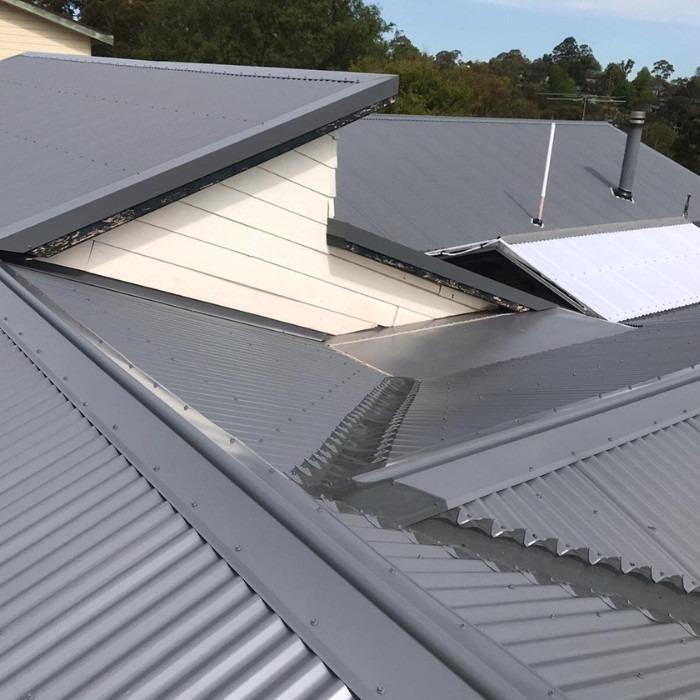
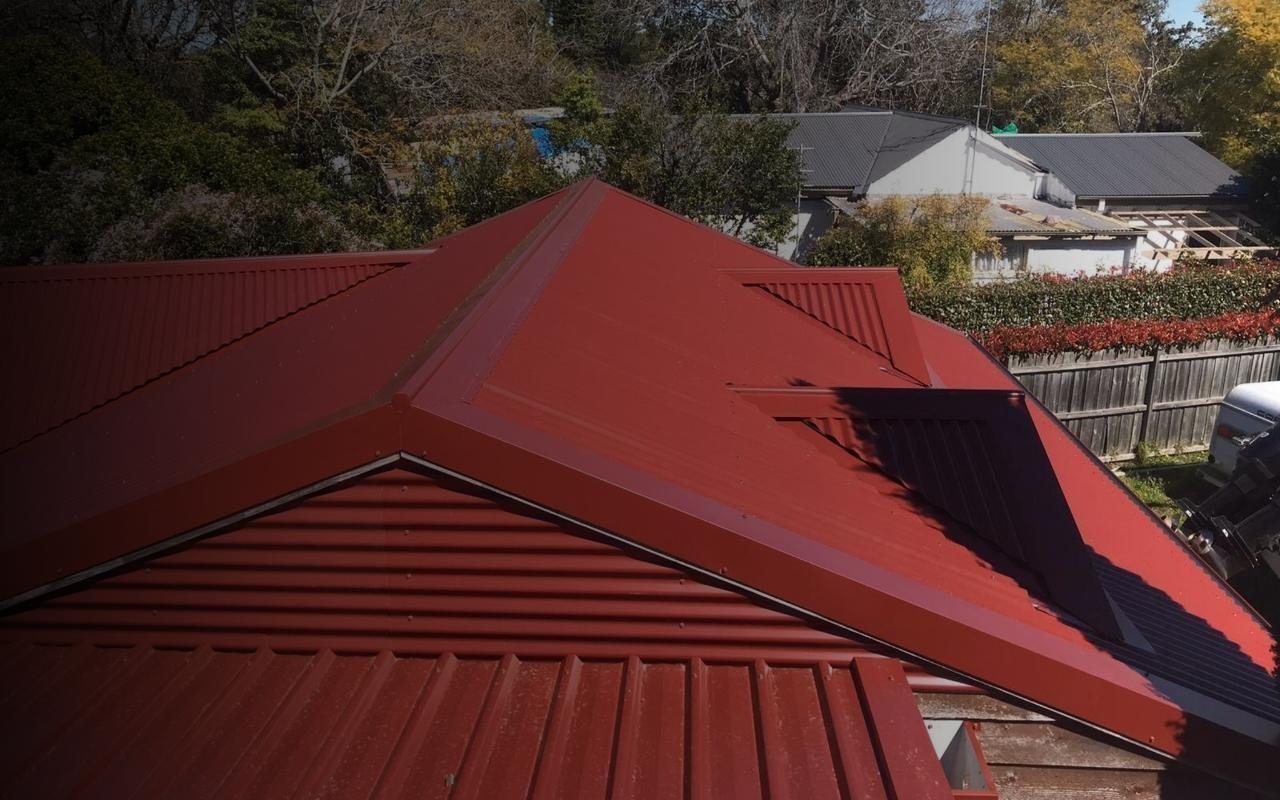
    For centuries, property owners have sought better overhead protection. Today, that improvement is found in modern metal roofing. Far superior to old corrugated iron or deteriorating tiles, contemporary steel roofing (like COLORBOND®) provides advanced defense, incredible thermal efficiency, and long-term value.

    Here are the four crucial areas where metal roofs deliver:

    1. Unmatched Durability and Resilience
    Australia’s weather is severe, but modern metal roofs are engineered to endure it all. They are the toughest roofing material available, offering superior protection against:

    Corrosion: Engineered coatings minimize rust, even in challenging coastal conditions.

    Weather Damage: Unlike tiles that can crack or asphalt shingles that blister, steel resists powerful hail, intense sun, and severe storms.

    Wind Uplift: Secure fastening systems ensure the roof remains locked down, protecting your structure during strong winds.

    2. Essential Bushfire Protection
    In bushfire-prone areas, a metal roof is a non-negotiable safety feature. Metal is inherently non-combustible, meaning it will not ignite when exposed to heat or flames.

    When installed correctly with supporting fire-resistant underlay (sarking), a metal roof becomes an integral part of your property’s defense system, helping it comply with the strictest Bushfire Attack Level (BAL) and insurance requirements.

    3. A Long-Term Financial Investment
    While comparable in upfront cost to other materials, metal roofing delivers substantial long-term financial advantages:

    Exceptional Longevity: Metal roofs last 40 to 70 years, often requiring no replacement during the life of the property.

    Energy Efficiency: Lighter tones reflect the sun’s rays, and proper insulation keeps the indoors cooler, leading to significant savings on air-conditioning bills.

    Low Maintenance: Durable and non-porous, metal requires minimal upkeep compared to tiles that need repointing and cleaning to prevent moss and mould growth.

    4. Aesthetics and Practicality
    Modern metal roofing offers immense design flexibility and functionality:

    Design Versatility: Materials like COLORBOND® steel offer a wide spectrum of colours, profiles, and finishes to complement any architectural style.

    Lightweight Advantage: Metal places less stress on the underlying structure than heavy materials like concrete tiles, which is especially important for older buildings.

    Rainwater Harvesting: The non-porous, clean surface makes metal ideal for homeowners or businesses wishing to implement eco-friendly rainwater harvesting systems.

    Mythbusting: Quiet, Cool, and Safe
    Don't believe the outdated stereotypes. Modern metal roofs are:

    Quiet: Professional installation includes insulation and sarking that dampens noise, making them no louder (and often quieter) than tile roofs.

    Cool: They reflect UV rays and, when properly insulated, reduce heat transfer, keeping your building comfortable in summer.

    Safe: They are non-combustible during a lightning strike and safely disperse any electrical charge through the property's earthing system.

    Upgrade your home or business with a roof that’s built for the future. Choose durability, efficiency, and compliance.

    #MetalRoofBenefits #RoofingUpgrade #COLORBOND #BushfireReady #SustainableBuilding #AustralianProperty
    Why the Switch to Metal? The 4 Core Benefits of Modern Roofing Metal roofing is transforming Australian properties by offering unmatched defense against the harsh climate and fire threats. Discover the four critical benefits—from longevity to energy savings—that make it the superior choice for your home or business. The Roofing Revolution: Built for the Australian Climate For centuries, property owners have sought better overhead protection. Today, that improvement is found in modern metal roofing. Far superior to old corrugated iron or deteriorating tiles, contemporary steel roofing (like COLORBOND®) provides advanced defense, incredible thermal efficiency, and long-term value. Here are the four crucial areas where metal roofs deliver: 1. Unmatched Durability and Resilience Australia’s weather is severe, but modern metal roofs are engineered to endure it all. They are the toughest roofing material available, offering superior protection against: Corrosion: Engineered coatings minimize rust, even in challenging coastal conditions. Weather Damage: Unlike tiles that can crack or asphalt shingles that blister, steel resists powerful hail, intense sun, and severe storms. Wind Uplift: Secure fastening systems ensure the roof remains locked down, protecting your structure during strong winds. 2. Essential Bushfire Protection In bushfire-prone areas, a metal roof is a non-negotiable safety feature. Metal is inherently non-combustible, meaning it will not ignite when exposed to heat or flames. When installed correctly with supporting fire-resistant underlay (sarking), a metal roof becomes an integral part of your property’s defense system, helping it comply with the strictest Bushfire Attack Level (BAL) and insurance requirements. 3. A Long-Term Financial Investment While comparable in upfront cost to other materials, metal roofing delivers substantial long-term financial advantages: Exceptional Longevity: Metal roofs last 40 to 70 years, often requiring no replacement during the life of the property. Energy Efficiency: Lighter tones reflect the sun’s rays, and proper insulation keeps the indoors cooler, leading to significant savings on air-conditioning bills. Low Maintenance: Durable and non-porous, metal requires minimal upkeep compared to tiles that need repointing and cleaning to prevent moss and mould growth. 4. Aesthetics and Practicality Modern metal roofing offers immense design flexibility and functionality: Design Versatility: Materials like COLORBOND® steel offer a wide spectrum of colours, profiles, and finishes to complement any architectural style. Lightweight Advantage: Metal places less stress on the underlying structure than heavy materials like concrete tiles, which is especially important for older buildings. Rainwater Harvesting: The non-porous, clean surface makes metal ideal for homeowners or businesses wishing to implement eco-friendly rainwater harvesting systems. Mythbusting: Quiet, Cool, and Safe Don't believe the outdated stereotypes. Modern metal roofs are: Quiet: Professional installation includes insulation and sarking that dampens noise, making them no louder (and often quieter) than tile roofs. Cool: They reflect UV rays and, when properly insulated, reduce heat transfer, keeping your building comfortable in summer. Safe: They are non-combustible during a lightning strike and safely disperse any electrical charge through the property's earthing system. Upgrade your home or business with a roof that’s built for the future. Choose durability, efficiency, and compliance. #MetalRoofBenefits #RoofingUpgrade #COLORBOND #BushfireReady #SustainableBuilding #AustralianProperty
    0 Commenti 0 condivisioni 402 Views 0 Anteprima
  • The Ultimate Defense: Securing Your Sydney Home with Bushfire-Rated Roofing

    For homeowners in Sydney's bushfire-prone areas, the roof is the most vulnerable point during a blaze. This guide explains the critical role of Bushfire Attack Level (BAL) compliance and why choosing the right metal roofing specialist is non-negotiable for safety and peace of mind.

    The Roof: Where the Fire Threat Begins
    The threat of bushfire to your home often starts silently. It's not usually the large flames that cause damage first; it's the intense radiant heat and thousands of tiny, wind-borne embers that travel for kilometers ahead of the fire front.

    These embers exploit weaknesses—gaps in roof tiles, unsealed eaves, or combustible materials. If an ember gets into your roof cavity, your house can ignite from the inside, often long after the fire front has passed. That's why the focus must be on creating an airtight, non-flammable roof barrier.

    The Simple Strength of Metal Roofing
    For maximum protection and compliance with Australian safety standards, metal roofing is the clear choice. It addresses both key threats with inherent strength:

    Non-Combustible Material: Unlike shingles or some older materials, quality metal (like COLORBOND® steel) will not catch fire or contribute to the spread of flame. It simply provides a robust barrier.

    A Sealed System: Metal is installed as a continuous sheet. When installed correctly by specialists, the system seals critical points like valleys and edges, effectively eliminating the gaps that embers rely on to enter the roof cavity.

    Compliance is Everything
    Every property in a fire-risk zone has a mandatory construction standard it must meet, known as its Bushfire Attack Level (BAL). While the rating itself is complex, the takeaway is simple: your roof must be installed according to strict guidelines to meet these safety laws.

    Choosing an accredited installer is the most critical step. They ensure that all the necessary details—from the type of screws and sealants used to the way the gutters and flashings are integrated—are compliant. A failure in one small detail can compromise your home's entire defense system.

    The decision is simple: protect your home and gain peace of mind by investing in a professionally installed, bushfire-rated metal roof today.

    Learn more here: https://mzrooflogic.com.au/locations/sydney/

    #Bushfireratedroofing #SydneyRoofing #MetalRoofing #BALCompliance #FireProtection #MZRoofLogic
    The Ultimate Defense: Securing Your Sydney Home with Bushfire-Rated Roofing For homeowners in Sydney's bushfire-prone areas, the roof is the most vulnerable point during a blaze. This guide explains the critical role of Bushfire Attack Level (BAL) compliance and why choosing the right metal roofing specialist is non-negotiable for safety and peace of mind. The Roof: Where the Fire Threat Begins The threat of bushfire to your home often starts silently. It's not usually the large flames that cause damage first; it's the intense radiant heat and thousands of tiny, wind-borne embers that travel for kilometers ahead of the fire front. These embers exploit weaknesses—gaps in roof tiles, unsealed eaves, or combustible materials. If an ember gets into your roof cavity, your house can ignite from the inside, often long after the fire front has passed. That's why the focus must be on creating an airtight, non-flammable roof barrier. The Simple Strength of Metal Roofing For maximum protection and compliance with Australian safety standards, metal roofing is the clear choice. It addresses both key threats with inherent strength: Non-Combustible Material: Unlike shingles or some older materials, quality metal (like COLORBOND® steel) will not catch fire or contribute to the spread of flame. It simply provides a robust barrier. A Sealed System: Metal is installed as a continuous sheet. When installed correctly by specialists, the system seals critical points like valleys and edges, effectively eliminating the gaps that embers rely on to enter the roof cavity. Compliance is Everything Every property in a fire-risk zone has a mandatory construction standard it must meet, known as its Bushfire Attack Level (BAL). While the rating itself is complex, the takeaway is simple: your roof must be installed according to strict guidelines to meet these safety laws. Choosing an accredited installer is the most critical step. They ensure that all the necessary details—from the type of screws and sealants used to the way the gutters and flashings are integrated—are compliant. A failure in one small detail can compromise your home's entire defense system. The decision is simple: protect your home and gain peace of mind by investing in a professionally installed, bushfire-rated metal roof today. Learn more here: https://mzrooflogic.com.au/locations/sydney/ #Bushfireratedroofing #SydneyRoofing #MetalRoofing #BALCompliance #FireProtection #MZRoofLogic
    0 Commenti 0 condivisioni 476 Views 0 Anteprima
Sponsorizzato
Pinlap https://www.pinlap.com