• How a Simple WhatsApp Chatbot Solved a Big Problem for Hospitals


    When people talk about better healthcare, they usually talk about new machines, better medicines, or skilled doctors. Nobody talks about the front desk. But the front desk is where a patient's journey actually begins, and if that first step is broken, everything after it suffers too.


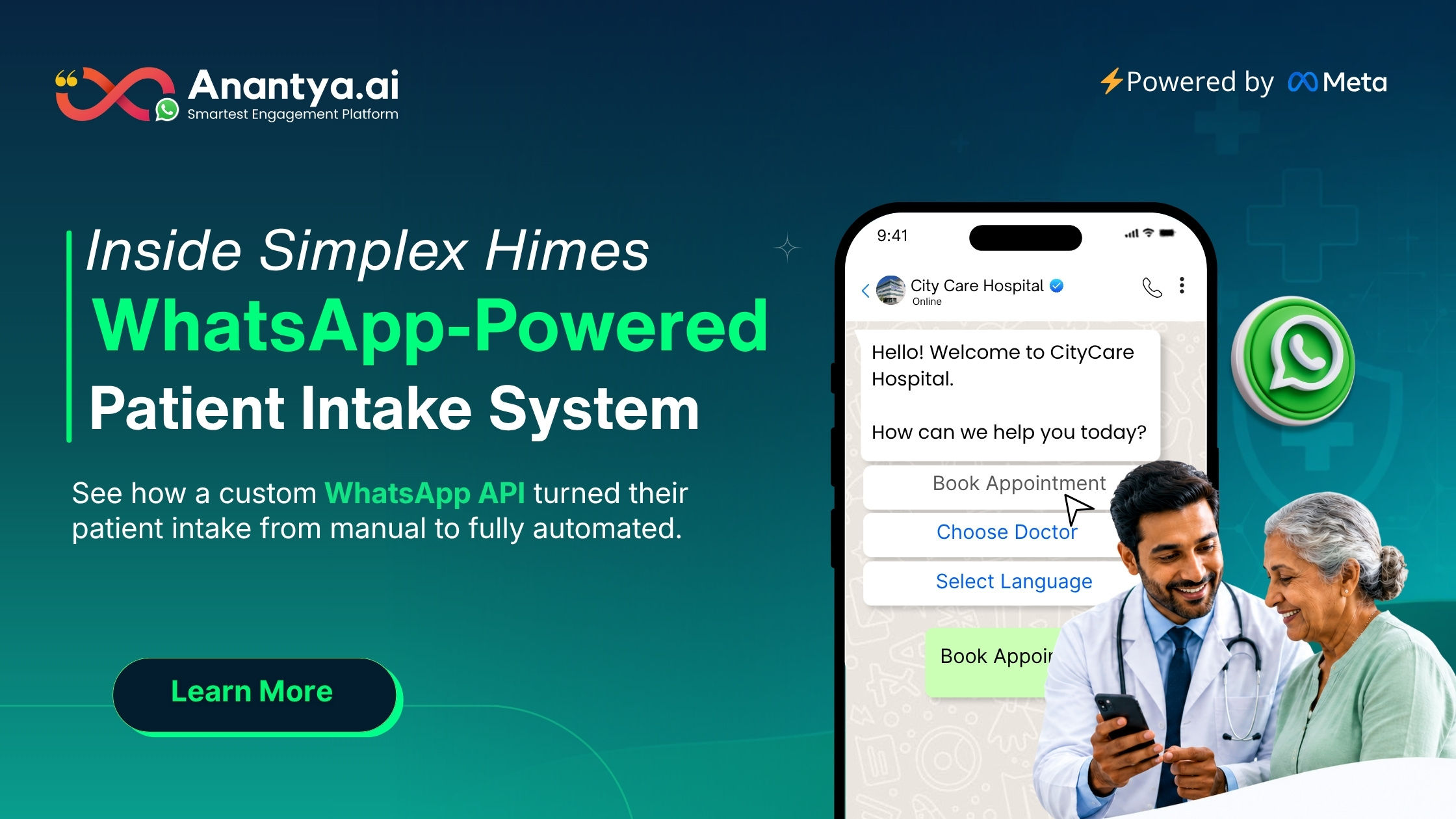
    This is exactly the problem that came up for Simplex Himes, an IT service company working with hospitals across the Middle East and Africa. Their software was doing a great job of managing hospital operations from the inside. But there was one weak point they could not ignore: the appointment booking process.


    The Real Problem Was Never Medical Care

    Simplex Himes worked with hospitals that had strong medical teams and good internal systems. The doctors were skilled. The treatment was solid. So where was the issue?


    It was in the small, everyday moments before a patient even reached the hospital.


    Simplex Himes understood something important here. This was never a medical problem. It was a communication problem. Their software could handle everything happening inside the hospital, but the very first door a patient walked through was still stuck.


    Why WhatsApp Was the Right Answer

    When Simplex Himes approached Anantya, they had one clear requirement. The solution had to work without any training. Patients should not need to download a new app, sign up for an account, or learn how to use a new system.


    The answer was simpler than expected. It was already sitting on almost every patient's phone.


    Here is how the entire process was designed, step by step:


    Step 1: The patient starts the conversation. A patient simply sends a WhatsApp message to the hospital's official business number. No app download. No new login.


    Step 2: The chatbot asks simple questions The chatbot asks a few easy questions. What is your name? Which department do you need? What time works best for you? The tone feels like a normal conversation, not a form.


    Step 3: Real-time slot checking through custom APIs This is where the real technical work happened. Anantya built a custom API connection between the WhatsApp chatbot and the hospital's existing appointment system. So when a patient picks a time, the bot checks live availability right away and confirms the booking instantly.


    Step 4: Instant confirmation on WhatsApp As soon as the slot is booked, the patient gets a confirmation message with all the details. The doctor's name, the department, the time, and any instructions before the visit.


    The best part is that none of the hospital's existing systems had to be replaced. Anantya simply built a bridge that connected WhatsApp to what was already working.


    Building This Was Not as Easy as It Sounds

    Two big challenges came up during this project.


    The first challenge was purely technical. Hospital management systems are usually closed off on purpose. They are built for internal, secure use, not for outside connections. So creating a safe and reliable custom API that could talk to the hospital's system without disturbing anything else took careful planning. The Anantya team mapped out the entire data flow before writing a single line of code, making sure every booking made through WhatsApp matched perfectly with the hospital's internal calendar.


    What Changed After the Chatbot Went Live

    The results showed up quickly, and they were noticeable.


    Booking time dropped a lot. What used to take multiple phone calls and manual notes now happened in a single WhatsApp chat, often finished in under three minutes.


    Hospital staff felt the change too. The front desk stopped being a stressful bottleneck. It finally became what it was always meant to be, a place of care instead of a place of friction.


    For more information kindly read the full blog - https://anantya.ai/blog/whatsapp-chatbot-for-hospitals-case-study/

    How a Simple WhatsApp Chatbot Solved a Big Problem for Hospitals When people talk about better healthcare, they usually talk about new machines, better medicines, or skilled doctors. Nobody talks about the front desk. But the front desk is where a patient's journey actually begins, and if that first step is broken, everything after it suffers too. This is exactly the problem that came up for Simplex Himes, an IT service company working with hospitals across the Middle East and Africa. Their software was doing a great job of managing hospital operations from the inside. But there was one weak point they could not ignore: the appointment booking process. The Real Problem Was Never Medical CareSimplex Himes worked with hospitals that had strong medical teams and good internal systems. The doctors were skilled. The treatment was solid. So where was the issue? It was in the small, everyday moments before a patient even reached the hospital. Simplex Himes understood something important here. This was never a medical problem. It was a communication problem. Their software could handle everything happening inside the hospital, but the very first door a patient walked through was still stuck. Why WhatsApp Was the Right AnswerWhen Simplex Himes approached Anantya, they had one clear requirement. The solution had to work without any training. Patients should not need to download a new app, sign up for an account, or learn how to use a new system. The answer was simpler than expected. It was already sitting on almost every patient's phone. Here is how the entire process was designed, step by step: Step 1: The patient starts the conversation. A patient simply sends a WhatsApp message to the hospital's official business number. No app download. No new login. Step 2: The chatbot asks simple questions The chatbot asks a few easy questions. What is your name? Which department do you need? What time works best for you? The tone feels like a normal conversation, not a form. Step 3: Real-time slot checking through custom APIs This is where the real technical work happened. Anantya built a custom API connection between the WhatsApp chatbot and the hospital's existing appointment system. So when a patient picks a time, the bot checks live availability right away and confirms the booking instantly. Step 4: Instant confirmation on WhatsApp As soon as the slot is booked, the patient gets a confirmation message with all the details. The doctor's name, the department, the time, and any instructions before the visit. The best part is that none of the hospital's existing systems had to be replaced. Anantya simply built a bridge that connected WhatsApp to what was already working. Building This Was Not as Easy as It SoundsTwo big challenges came up during this project. The first challenge was purely technical. Hospital management systems are usually closed off on purpose. They are built for internal, secure use, not for outside connections. So creating a safe and reliable custom API that could talk to the hospital's system without disturbing anything else took careful planning. The Anantya team mapped out the entire data flow before writing a single line of code, making sure every booking made through WhatsApp matched perfectly with the hospital's internal calendar. What Changed After the Chatbot Went LiveThe results showed up quickly, and they were noticeable. Booking time dropped a lot. What used to take multiple phone calls and manual notes now happened in a single WhatsApp chat, often finished in under three minutes. Hospital staff felt the change too. The front desk stopped being a stressful bottleneck. It finally became what it was always meant to be, a place of care instead of a place of friction. For more information kindly read the full blog - https://anantya.ai/blog/whatsapp-chatbot-for-hospitals-case-study/
    ANANTYA.AI
    WhatsApp Chatbot for Hospitals | Healthcare AI
    Discover how hospitals can automate appointment booking, patient inquiries, reminders, follow-ups, and healthcare communication using WhatsApp chatbots and AI-powered workflows with Anantya.ai.
    0 Комментарии 0 Поделились 3Кб Просмотры 0 предпросмотр
  • RCS Messaging: What It Is, How It Works, and Why Businesses Are Switching to It


    If you have used a smartphone in the last couple of years, chances are you have already seen RCS in action without realising it. Maybe you noticed that texts from a friend started showing "typing…" indicators, or that a photo you sent didn't look grainy and compressed like it used to on regular SMS. That shift is the quiet rollout of RCS, and it has slowly changed the way people — and businesses — talk to each other over text.


    In this blog, we will break down RCS messaging in plain language: what the term actually stands for, how it came about, what makes it different from old-school SMS, and how it stacks up against WhatsApp Business API, which many businesses in India and abroad already use. We will also talk about SMS fallback, a concept that quietly holds the whole system together.


    RCS Meaning: What Does RCS Stand For?

    RCS stands for Rich Communication Services. It is a messaging protocol, meaning a set of technical rules that decide how messages travel between two phones. Think of SMS as a very basic postcard — text only, limited characters, no delivery confirmation worth mentioning. RCS, on the other hand, works more like a modern chat app, but it lives inside your phone's default messaging app instead of a separate download.


    The RCS meaning goes a bit deeper than just "better texting," though. It was designed by the telecom industry itself, through an organisation called the GSMA (GSM Association), to bring SMS up to date with what internet-based chat apps had already been offering for years — read receipts, typing indicators, group chats, high-resolution media sharing, and more.


    A Short History: How and When Did RCS Come About

    RCS was not built overnight. The idea started taking shape around 2007-2008, when telecom operators realised that plain SMS was falling behind apps like early instant messengers. The GSMA later took over standardising it under what is called the "Universal Profile," which basically means every carrier and phone maker agrees to follow the same rulebook so RCS messages work the same way regardless of network.


    What Is RCS Messaging, Practically Speaking?

    So what changes for an everyday user or a business sending messages? RCS messaging allows:


    High-resolution photos and videos instead of compressed, blurry SMS media


    Read receipts and "typing…" indicators
    Group chats with names and shared media
    Longer messages without the old 160-character SMS limit
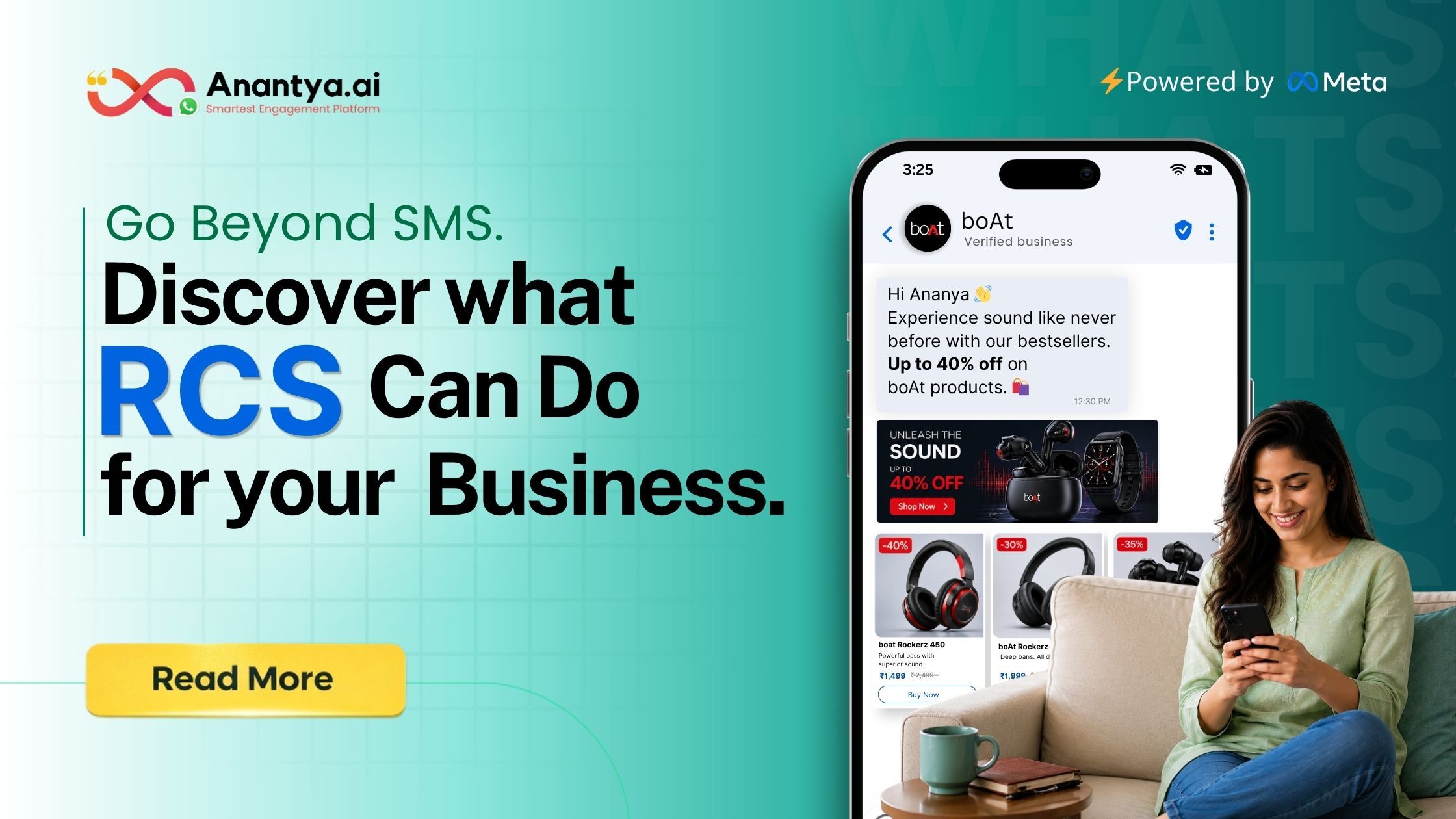
    Rich, interactive elements for businesses — buttons, carousels, verified sender badges


    That last point matters a lot for companies. Under RCS Business Messaging, brands can send messages that look and feel closer to a mini-app inside a chat thread — a delivery update with a tracking button, a promotional carousel of products, or a verified business name and logo instead of a random ten-digit number. This is a big shift from plain transactional SMS, which most people barely glance at anymore.


    RCS Service for Businesses: Where Does It Fit?

    The RCS service model for businesses works somewhat like WhatsApp Business messaging, but it runs through the carrier network and the phone's native messaging app rather than a separate installed application. That means customers don't need to download anything new — they simply see a richer message inside the app they already use to text.


    Businesses that adopt RCS typically use it for order confirmations, delivery tracking, appointment reminders, OTPs, and promotional campaigns, all with the added benefit of a verified sender identity, which helps cut down on the spam and phishing worries that plain SMS from unknown numbers usually triggers.


    Conclusion: Bringing It All Together

    RCS, or Rich Communication Services, is essentially SMS's long-overdue upgrade — built by the telecom industry to bring modern chat features like read receipts, typing indicators, high-quality media, and verified business branding into the default messaging app on your phone. It started slowly around 2008, gained real momentum through Android and Google's Jibe platform, and picked up serious pace once Apple joined in with RCS support on iPhones from late 2024 onward, followed by end-to-end encryption for cross-platform chats.


    For more information kindly read the full blog - https://anantya.ai/blog/what-is-rcs-messaging/

    RCS Messaging: What It Is, How It Works, and Why Businesses Are Switching to It If you have used a smartphone in the last couple of years, chances are you have already seen RCS in action without realising it. Maybe you noticed that texts from a friend started showing "typing…" indicators, or that a photo you sent didn't look grainy and compressed like it used to on regular SMS. That shift is the quiet rollout of RCS, and it has slowly changed the way people — and businesses — talk to each other over text. In this blog, we will break down RCS messaging in plain language: what the term actually stands for, how it came about, what makes it different from old-school SMS, and how it stacks up against WhatsApp Business API, which many businesses in India and abroad already use. We will also talk about SMS fallback, a concept that quietly holds the whole system together. RCS Meaning: What Does RCS Stand For?RCS stands for Rich Communication Services. It is a messaging protocol, meaning a set of technical rules that decide how messages travel between two phones. Think of SMS as a very basic postcard — text only, limited characters, no delivery confirmation worth mentioning. RCS, on the other hand, works more like a modern chat app, but it lives inside your phone's default messaging app instead of a separate download. The RCS meaning goes a bit deeper than just "better texting," though. It was designed by the telecom industry itself, through an organisation called the GSMA (GSM Association), to bring SMS up to date with what internet-based chat apps had already been offering for years — read receipts, typing indicators, group chats, high-resolution media sharing, and more. A Short History: How and When Did RCS Come AboutRCS was not built overnight. The idea started taking shape around 2007-2008, when telecom operators realised that plain SMS was falling behind apps like early instant messengers. The GSMA later took over standardising it under what is called the "Universal Profile," which basically means every carrier and phone maker agrees to follow the same rulebook so RCS messages work the same way regardless of network. What Is RCS Messaging, Practically Speaking?So what changes for an everyday user or a business sending messages? RCS messaging allows: High-resolution photos and videos instead of compressed, blurry SMS media Read receipts and "typing…" indicators Group chats with names and shared media Longer messages without the old 160-character SMS limit Rich, interactive elements for businesses — buttons, carousels, verified sender badges That last point matters a lot for companies. Under RCS Business Messaging, brands can send messages that look and feel closer to a mini-app inside a chat thread — a delivery update with a tracking button, a promotional carousel of products, or a verified business name and logo instead of a random ten-digit number. This is a big shift from plain transactional SMS, which most people barely glance at anymore. RCS Service for Businesses: Where Does It Fit?The RCS service model for businesses works somewhat like WhatsApp Business messaging, but it runs through the carrier network and the phone's native messaging app rather than a separate installed application. That means customers don't need to download anything new — they simply see a richer message inside the app they already use to text. Businesses that adopt RCS typically use it for order confirmations, delivery tracking, appointment reminders, OTPs, and promotional campaigns, all with the added benefit of a verified sender identity, which helps cut down on the spam and phishing worries that plain SMS from unknown numbers usually triggers. Conclusion: Bringing It All TogetherRCS, or Rich Communication Services, is essentially SMS's long-overdue upgrade — built by the telecom industry to bring modern chat features like read receipts, typing indicators, high-quality media, and verified business branding into the default messaging app on your phone. It started slowly around 2008, gained real momentum through Android and Google's Jibe platform, and picked up serious pace once Apple joined in with RCS support on iPhones from late 2024 onward, followed by end-to-end encryption for cross-platform chats. For more information kindly read the full blog - https://anantya.ai/blog/what-is-rcs-messaging/

    ANANTYA.AI
    RCS Messaging: Complete Guide for Businesses in 2026
    Learn how RCS Messaging helps businesses deliver rich, interactive customer experiences with branding, media, and automation. Explore Anantya.ai
    0 Комментарии 0 Поделились 3Кб Просмотры 0 предпросмотр
  • https://elliottbdzt50617.tribunablog.com/casino-restaurant-style-at-their-best-56920446 Welcome to Winbox88 Official Malaysia. Download Winbox iOS or Android app, register securely, and log in to enjoy a trusted online casino platform experience
    https://elliottbdzt50617.tribunablog.com/casino-restaurant-style-at-their-best-56920446 Welcome to Winbox88 Official Malaysia. Download Winbox iOS or Android app, register securely, and log in to enjoy a trusted online casino platform experience
    0 Комментарии 0 Поделились 789 Просмотры 0 предпросмотр
  • Personal Loan App | Stashfin
    https://play.google.com/store/apps/details?id=com.stashfin.android&hl=en
    Looking for a reliable personal loan app to manage your financial needs? Stashfin offers a fast, paperless, and secure personal loan app experience designed for today's fast-paced lifestyle. With Stashfin, you can apply for a personal loan of up to ₹5 lakh from the comfort of your home, without any lengthy paperwork or branch visits. The app uses smart algorithms to assess your creditworthiness and offer you a customized credit line, along with flexible repayment tenures ranging from a few months to several years. Stashfin's personal loan app is built for salaried and self-employed individuals alike, ensuring quick disbursal directly to your bank account. With minimal documentation, transparent interest rates, and no hidden charges, Stashfin makes borrowing simple and stress-free. Track your loan status, repayment schedule, and credit line usage—all within the app. Download the Stashfin personal loan app today and experience hassle-free, on-demand access to funds whenever you need them most.
    Personal Loan App | Stashfin https://play.google.com/store/apps/details?id=com.stashfin.android&hl=en Looking for a reliable personal loan app to manage your financial needs? Stashfin offers a fast, paperless, and secure personal loan app experience designed for today's fast-paced lifestyle. With Stashfin, you can apply for a personal loan of up to ₹5 lakh from the comfort of your home, without any lengthy paperwork or branch visits. The app uses smart algorithms to assess your creditworthiness and offer you a customized credit line, along with flexible repayment tenures ranging from a few months to several years. Stashfin's personal loan app is built for salaried and self-employed individuals alike, ensuring quick disbursal directly to your bank account. With minimal documentation, transparent interest rates, and no hidden charges, Stashfin makes borrowing simple and stress-free. Track your loan status, repayment schedule, and credit line usage—all within the app. Download the Stashfin personal loan app today and experience hassle-free, on-demand access to funds whenever you need them most.
    PLAY.GOOGLE.COM
    Stashfin UPI, Pay Bills, Loans - Apps on Google Play
    Credit card bill payments, Instant Personal Loans, Bonds, Credit Health Report
    0 Комментарии 0 Поделились 1Кб Просмотры 0 предпросмотр
  • Why Banks Are Quietly Moving Customer Conversations to WhatsApp


    Most people don't think about banking until something needs their attention.


    Their salary gets credited. A debit card is blocked after unusual activity. A KYC document expires. A loan application moves to the next stage.


    For years, banks relied on SMS, emails, phone calls, and mobile applications to communicate these updates. Those channels still matter, but customer habits have changed. People ignore promotional emails, silence unknown calls, and often swipe away app notifications without reading them. Yet there is one app they continue to open multiple times every day, almost without thinking.


    That app is WhatsApp.


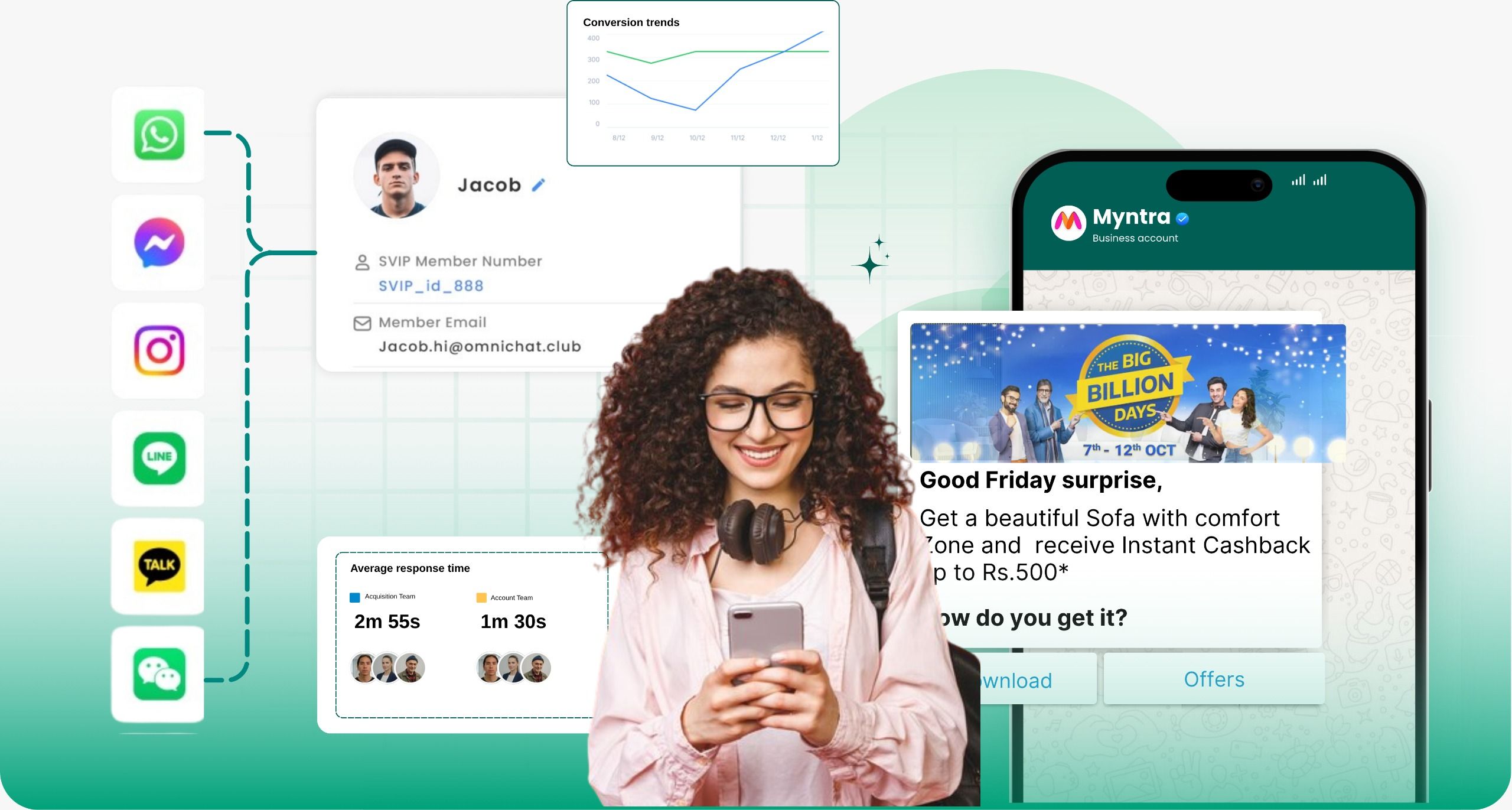
    For banks, NBFCs, insurance providers, and fintech companies, this shift is less about following a technology trend and more about meeting customers where they already are. Instead of asking people to check another portal or download another app, financial institutions are bringing routine conversations into a familiar space.


    This is what WhatsApp banking looks like today. It is not about replacing internet banking or mobile banking. It is about making everyday communication simpler, faster, and easier to act on.


    Banking Has Always Been About Communication


    People often associate banks with transactions, loans, investments, and regulations. But beneath all of these services lies one constant need: communication.


    A customer wants to know whether their loan application has been approved. A borrower wants a reminder before an EMI is due. Someone opening a new account wants to understand which documents are still missing. Another customer may simply want confirmation that a payment has been completed successfully.


    When these messages arrive late, or not at all, frustration grows quickly.


    Good banking communication is not about sending more notifications. It is about sending the right information at the right time through a channel people actually pay attention to.


    That is why many financial institutions have started treating WhatsApp as a communication channel rather than just a messaging app.


    What WhatsApp Banking Actually Means


    The phrase WhatsApp banking can be misleading because it does not mean customers perform every banking activity inside WhatsApp.


    Instead, it refers to the use of WhatsApp to support communication between financial institutions and their customers.


    These conversations can include:


    Account notifications
    Transaction confirmations
    Loan updates
    Credit card statements
    Insurance reminders
    Customer support
    Document requests
    Payment alerts
    Service updates


    The actual banking systems continue to operate in the background. WhatsApp simply becomes the interface through which customers receive information and interact with the institution.


    Think of it as the difference between visiting a bank branch to ask a question and receiving the same answer instantly through a secure conversation.


    The service remains the same. The experience becomes more convenient.


    Why Traditional Banking Messages Are Losing Attention


    For decades, SMS was the default communication channel for banks.


    It worked because customers received very few messages each day.


    Today, the average smartphone receives notifications from shopping apps, food delivery services, social media platforms, streaming subscriptions, travel companies, and dozens of other businesses. Important banking messages often compete with hundreds of other notifications.


    Email faces a similar challenge.


    Many customers check their personal inbox only occasionally, while promotional emails make it difficult for important financial messages to stand out.


    For more information kindly visit - https://anantya.ai/

    Why Banks Are Quietly Moving Customer Conversations to WhatsApp Most people don't think about banking until something needs their attention. Their salary gets credited. A debit card is blocked after unusual activity. A KYC document expires. A loan application moves to the next stage. For years, banks relied on SMS, emails, phone calls, and mobile applications to communicate these updates. Those channels still matter, but customer habits have changed. People ignore promotional emails, silence unknown calls, and often swipe away app notifications without reading them. Yet there is one app they continue to open multiple times every day, almost without thinking. That app is WhatsApp. For banks, NBFCs, insurance providers, and fintech companies, this shift is less about following a technology trend and more about meeting customers where they already are. Instead of asking people to check another portal or download another app, financial institutions are bringing routine conversations into a familiar space. This is what WhatsApp banking looks like today. It is not about replacing internet banking or mobile banking. It is about making everyday communication simpler, faster, and easier to act on. Banking Has Always Been About Communication People often associate banks with transactions, loans, investments, and regulations. But beneath all of these services lies one constant need: communication. A customer wants to know whether their loan application has been approved. A borrower wants a reminder before an EMI is due. Someone opening a new account wants to understand which documents are still missing. Another customer may simply want confirmation that a payment has been completed successfully. When these messages arrive late, or not at all, frustration grows quickly. Good banking communication is not about sending more notifications. It is about sending the right information at the right time through a channel people actually pay attention to. That is why many financial institutions have started treating WhatsApp as a communication channel rather than just a messaging app. What WhatsApp Banking Actually Means The phrase WhatsApp banking can be misleading because it does not mean customers perform every banking activity inside WhatsApp. Instead, it refers to the use of WhatsApp to support communication between financial institutions and their customers. These conversations can include: Account notifications Transaction confirmations Loan updates Credit card statements Insurance reminders Customer support Document requests Payment alerts Service updates The actual banking systems continue to operate in the background. WhatsApp simply becomes the interface through which customers receive information and interact with the institution. Think of it as the difference between visiting a bank branch to ask a question and receiving the same answer instantly through a secure conversation. The service remains the same. The experience becomes more convenient. Why Traditional Banking Messages Are Losing Attention For decades, SMS was the default communication channel for banks. It worked because customers received very few messages each day. Today, the average smartphone receives notifications from shopping apps, food delivery services, social media platforms, streaming subscriptions, travel companies, and dozens of other businesses. Important banking messages often compete with hundreds of other notifications. Email faces a similar challenge. Many customers check their personal inbox only occasionally, while promotional emails make it difficult for important financial messages to stand out. For more information kindly visit - https://anantya.ai/
    ANANTYA.AI
    Conversational Engagement Platform for Businesses | Anantya.ai
    Anantya.ai is a conversational engagement platform for managing WhatsApp, RCS, SMS, Voice, Marketing, and Support in one place.
    0 Комментарии 0 Поделились 2Кб Просмотры 0 предпросмотр
  • Upgrade your messaging with the official WhatsApp Plus APK for Android. this premium mod unlocks advanced automation tools like Auto-Reply and Message Scheduler, alongside a built-in Status Downloader. Effortlessly run multiple accounts on one device while enjoying complete privacy control to hide blue ticks and online status. Best of all, you can fully customize the UI with exclusive themes for a sleek, clutter-free chat experience—visit https://waplusinfo.com to download the latest version today.
    Upgrade your messaging with the official WhatsApp Plus APK for Android. this premium mod unlocks advanced automation tools like Auto-Reply and Message Scheduler, alongside a built-in Status Downloader. Effortlessly run multiple accounts on one device while enjoying complete privacy control to hide blue ticks and online status. Best of all, you can fully customize the UI with exclusive themes for a sleek, clutter-free chat experience—visit https://waplusinfo.com to download the latest version today.
    0 Комментарии 0 Поделились 911 Просмотры 0 предпросмотр
  • # Free Online Text Comparison Tool – Text Differ


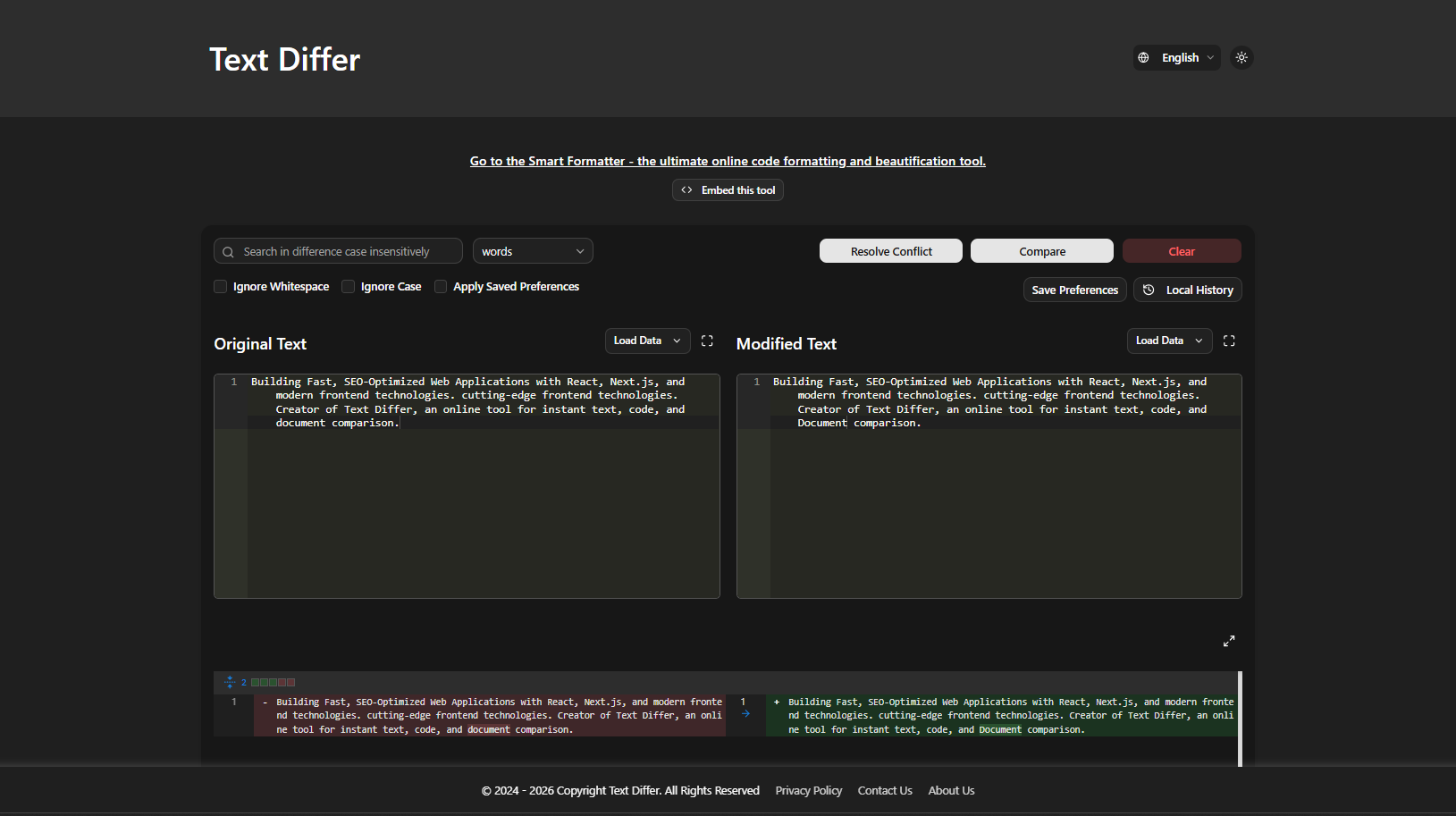
    Text Differ is a simple and fast online tool that helps you compare two pieces of text in seconds. Whether you're editing documents, reviewing code, or checking content revisions, it quickly highlights all the differences between the original and updated text.


    The tool is free to use, works directly in your browser, and requires no installation or registration. Just paste your text, click **Compare**, and instantly see added, removed, or modified content.


    ## Why Use Text Differ?


    * Fast and accurate text comparison
    * Highlights changes instantly
    * Easy-to-use interface
    * No downloads or sign-up required
    * Ideal for writers, developers, students, and editors


    If you need a reliable way to compare text online, Text Differ makes the process quick, simple, and efficient.


    Try it now: https://text-differ.com/
    # Free Online Text Comparison Tool – Text Differ Text Differ is a simple and fast online tool that helps you compare two pieces of text in seconds. Whether you're editing documents, reviewing code, or checking content revisions, it quickly highlights all the differences between the original and updated text. The tool is free to use, works directly in your browser, and requires no installation or registration. Just paste your text, click **Compare**, and instantly see added, removed, or modified content. ## Why Use Text Differ? * Fast and accurate text comparison * Highlights changes instantly * Easy-to-use interface * No downloads or sign-up required * Ideal for writers, developers, students, and editors If you need a reliable way to compare text online, Text Differ makes the process quick, simple, and efficient. Try it now: https://text-differ.com/
    Like
    2
    1 Комментарии 0 Поделились 1Кб Просмотры 0 предпросмотр
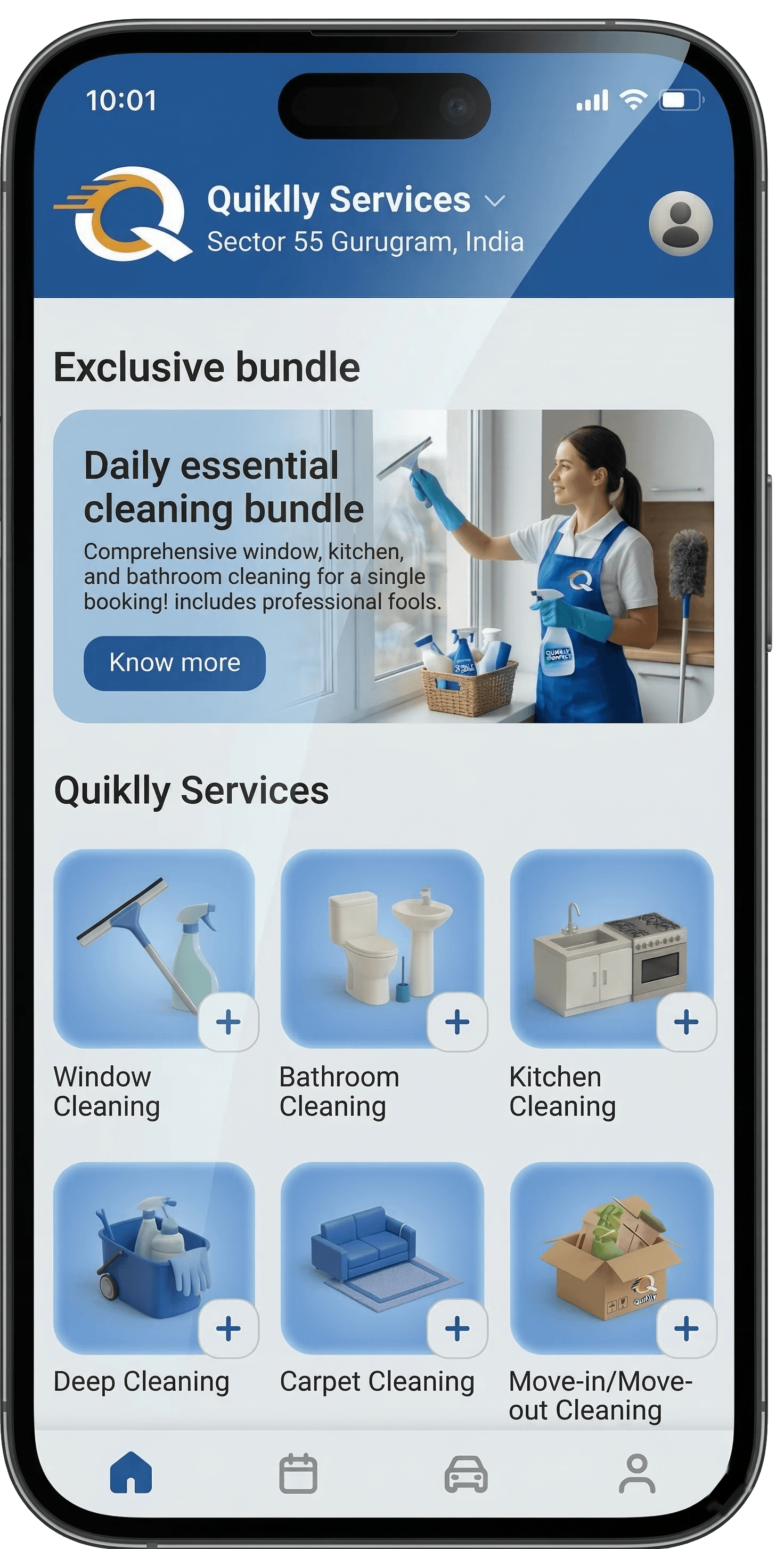
  • Professional Home Services At Your Fingertips


    Quiklly makes managing your daily home needs easier with a reliable home service booking app designed for quick and convenient solutions. From cleaning and cooking to laundry and personal assistance, get trusted professionals at your doorstep with just a few taps.


    With Quiklly, you can easily schedule services according to your preferred time and enjoy hassle-free support from verified professionals. Whether you need regular home care or one-time services, the app helps you save time and manage everything smoothly.


    Experience a simple, fast, and reliable way to handle household tasks with Quiklly. Download the app today and make everyday living more comfortable and stress-free.


    Website : https://quiklly.com/
    Professional Home Services At Your Fingertips Quiklly makes managing your daily home needs easier with a reliable home service booking app designed for quick and convenient solutions. From cleaning and cooking to laundry and personal assistance, get trusted professionals at your doorstep with just a few taps. With Quiklly, you can easily schedule services according to your preferred time and enjoy hassle-free support from verified professionals. Whether you need regular home care or one-time services, the app helps you save time and manage everything smoothly. Experience a simple, fast, and reliable way to handle household tasks with Quiklly. Download the app today and make everyday living more comfortable and stress-free. Website : https://quiklly.com/
    QUIKLLY.COM
    Housekeeping & Cooking Services for Your Home
    Book reliable housekeeping and cooking services for your home. Get trained staff for cleaning, meal prep, and daily household support.
    0 Комментарии 0 Поделились 709 Просмотры 0 предпросмотр
  • Just Download https://omg10.com/4/11254834 #download
    Just Download https://omg10.com/4/11254834 #download
    Like
    1
    1 Комментарии 0 Поделились 2Кб Просмотры 0 предпросмотр
Спонсоры